
Best Engagement Rings 2026: Top Trends, Styles & Expert Buying Guide
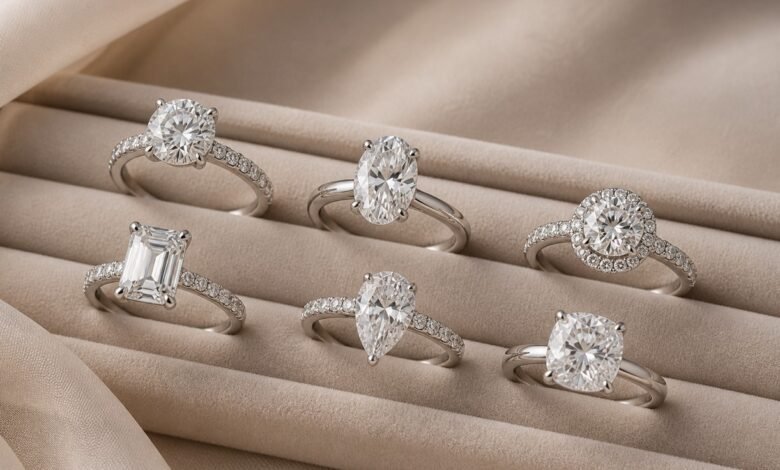
Choosing an engagement ring in 2026 is no longer about following tradition—it’s about making a deliberate, well-informed decision that reflects both personal taste and modern values. Today’s buyers are more selective, more design-aware, and far less influenced by outdated rules than ever before.
According to several independent jewelry designers, the biggest shift in recent years is how clients approach the process. Rather than asking for a specific stone or carat size, they come in with references, mood boards, and a clear sense of aesthetic. As London-based designer Harriet Cole puts it, “People aren’t buying rings anymore—they’re curating them.”
This shift has changed what actually defines a “great” engagement ring. It’s no longer just about the center stone. Proportion, setting architecture, and how the ring interacts with light all play a much bigger role than most first-time buyers expect.
Well-designed rings in 2026 tend to share a few subtle but important characteristics:
- balanced proportions between stone and band, avoiding the oversized look that dominated previous years
- refined settings that enhance brilliance without overwhelming the design
- thoughtful details such as hidden halos or sculpted prongs that are only visible up close
- materials that align with modern values, including lab-grown diamonds and responsibly sourced metals
Designers also emphasize wearability—something often overlooked. A ring might look impressive in a display case but feel uncomfortable in everyday use. Lower-profile settings, smooth band interiors, and durable metal choices are becoming essential rather than optional.
Another important observation from the industry is that visual impact is no longer tied strictly to size. Elongated cuts like oval, marquise, and emerald are increasingly preferred because they create a larger visual presence without increasing cost significantly. This is one of the most effective ways to achieve a high-end look while staying within budget.
For buyers who want a quick direction before diving deeper, a few practical guidelines stand out:
- choose oval or elongated shapes for a more refined, expensive appearance
- consider hidden halo settings for added brilliance without excess bulk
- prioritize setting design over maximum carat size
- explore lab-grown diamonds for better value and flexibility in design
Ultimately, the best engagement rings of 2026 are defined by intention. They feel considered, balanced, and personal—rather than simply expensive.
Top Engagement Ring Trends 2026
The defining engagement ring trends of 2026 are less about bold statements and more about refined details. What stands out this year is subtle sophistication—design choices that feel intentional rather than obvious. According to industry insiders, the most sought-after rings are the ones that reveal their complexity over time, not at first glance.
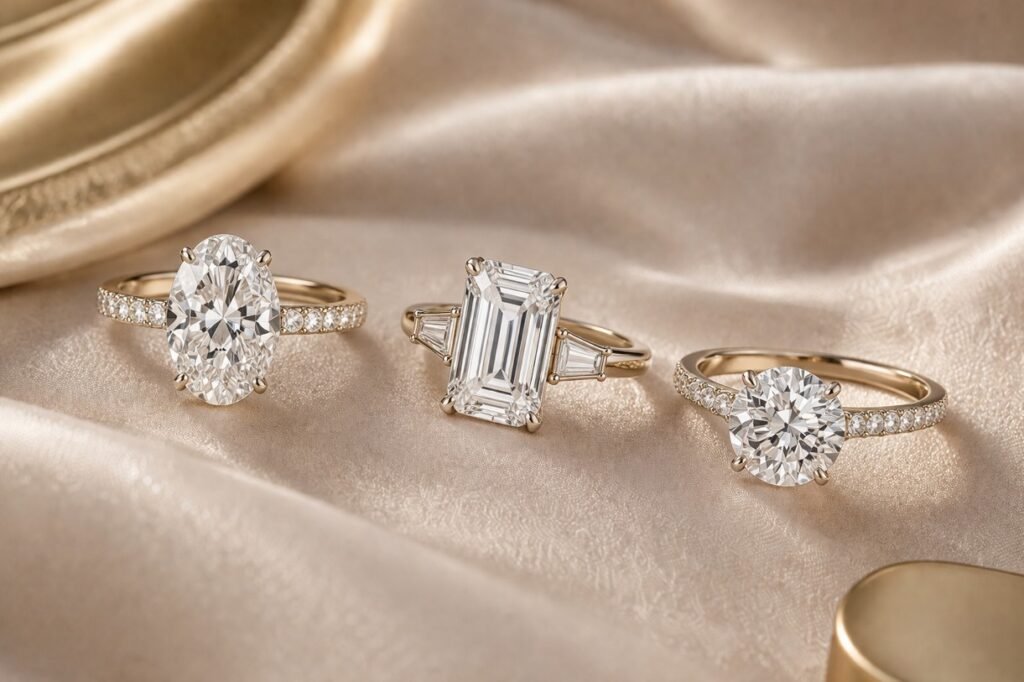
One of the strongest shifts is the move away from overly traditional designs toward pieces that feel quietly distinctive. As Milan-based designer Luca Bernardi notes, “Clients still want timeless rings—but with one element that feels entirely their own.”
Hidden Halo Settings
Hidden halos continue to gain momentum, but in a more restrained form than in previous years. Instead of large, visible halos, designers are placing a delicate circle of micro-pavé diamonds beneath the center stone. This creates a subtle lift and added brilliance that becomes noticeable only from certain angles.
This approach appeals to buyers who want extra sparkle without compromising a clean, elegant silhouette. It’s also one of the most effective ways to elevate a simple solitaire into something more considered. hidden halo engagement rings
Design insight:
- works especially well with oval, cushion, and round cuts
- enhances light reflection without adding visual weight
- ideal for those who prefer understated luxury
Elongated Diamond Shapes
Oval, emerald, and marquise cuts are dominating in 2026, largely because of how they interact with the hand. These shapes create a longer, more refined visual line, making the ring appear larger and more elegant without increasing carat size.
Designers highlight that this is not just a trend, but a shift in perception. “Elongated stones photograph better, wear better, and feel more modern,” says New York jeweler Daniel Reeves. emerald cut diamond rings
Key advantages:
- visually elongates the finger
- appears larger than round stones of the same carat
- pairs well with both minimalist and intricate settings
Minimalist, Architectural Settings
There is a noticeable move toward cleaner, more architectural settings. Thin bands, precise prong placement, and open structures are replacing heavier, ornate designs.
However, “minimalist” in 2026 does not mean basic. The craftsmanship behind these rings is often more complex, requiring precise balance and proportion. Small details—like knife-edge bands or sculpted shoulders—add depth without excess decoration.
What defines this style:
- slim bands (often 1.5–2 mm)
- clean lines and symmetry
- focus on stone prominence rather than embellishment
Lab-Grown Diamonds and Ethical Materials
Sustainability is no longer a niche concern—it’s becoming a standard expectation. Lab-grown diamonds are now widely accepted, not only for their lower cost but also for their transparency in sourcing.
Designers report that many clients choose lab-grown stones not just to save money, but to allocate more budget toward design and craftsmanship. lab-grown engagement rings
Key reasons behind the shift:
- better value per carat
- ethical sourcing transparency
- ability to afford higher-quality cuts or custom settings
Subtle Customization
Customization in 2026 is less about dramatic, one-of-a-kind designs and more about personal details that don’t immediately stand out. Engravings, hidden stones, mixed metals, or slightly unconventional proportions are becoming more popular than fully bespoke rings.
As one designer explains, “The goal isn’t to create something loud—it’s to create something that feels quietly personal.”
Common customization elements:
- hidden birthstones inside the band
- mixed metal accents (white and yellow gold combinations)
- slightly off-standard stone ratios for uniqueness
- engraved messages or dates
Taken together, these trends point toward a clear direction: engagement rings in 2026 are becoming more thoughtful, more refined, and more aligned with personal identity rather than tradition alone.
Most Popular Engagement Ring Styles
While trends evolve each year, certain engagement ring styles remain consistently relevant. In 2026, however, these classic formats are being refined rather than reinvented. The difference lies in proportion, detailing, and how each style is adapted to feel current.
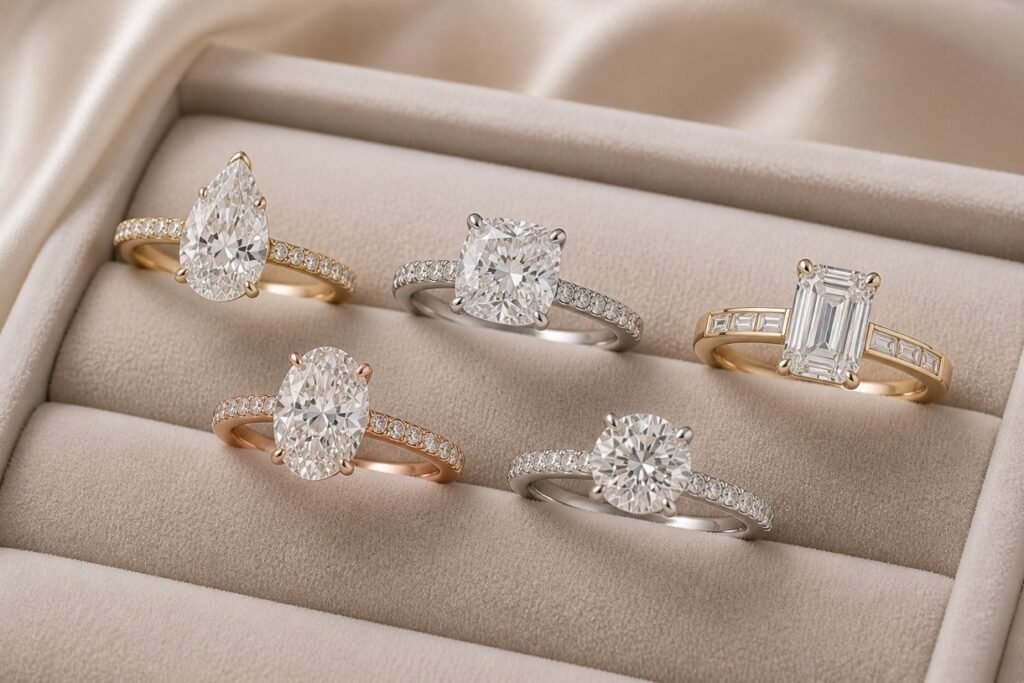
Designers emphasize that choosing a style is not about following popularity—it’s about understanding how each structure interacts with the stone, the hand, and everyday wear.
Solitaire
The solitaire remains the most enduring engagement ring style, but in 2026 it appears more intentional and precise. Instead of thick, traditional bands, modern solitaires feature slimmer profiles and carefully engineered prongs that allow more light to enter the stone. solitaire engagement rings
This creates a cleaner, brighter look without adding complexity.
Designer perspective:
“Solitaire rings today are all about restraint. The less you add, the more every detail matters,” notes Paris-based designer Camille Laurent.
Why it works:
- timeless and adaptable across trends
- focuses entirely on the center stone
- pairs easily with wedding bands
Best suited for:
- those who prefer minimalism
- buyers investing in a high-quality center stone
- long-term, classic aesthetics
Halo
Halo rings have evolved significantly. What was once a bold, highly visible frame of diamonds has become more refined and integrated into the overall design.
Modern halos are often smaller, tighter, and sometimes nearly invisible from the top view. This allows the center stone to remain dominant while still benefiting from additional brilliance. halo engagement rings
Key characteristics in 2026:
- micro-pavé halos with minimal spacing
- lower profile settings for better wearability
- integration with the band rather than separation
Why buyers choose it:
- enhances perceived size of the center stone
- adds sparkle without increasing carat weight
- offers a balance between classic and decorative
Three-Stone Rings
Three-stone rings are gaining renewed attention, particularly among buyers looking for symbolism combined with visual presence. Traditionally representing past, present, and future, this style now leans more toward design flexibility.
Instead of identical side stones, designers are experimenting with proportions—using tapered baguettes, trapezoids, or even colored accents to create contrast. three stone engagement rings
Design insight:
“The modern three-stone ring is less about symmetry and more about composition,” explains New York designer Rachel Kim.
Advantages:
- strong visual impact
- allows creative combinations of shapes
- distributes brilliance across the ring
Ideal for:
- those who want a more substantial look
- buyers interested in symbolic meaning
- custom or semi-custom designs
Vintage-Inspired Rings
Vintage-inspired designs continue to appeal, but with a more restrained interpretation. Rather than heavily ornate pieces, 2026 versions focus on select antique elements—milgrain edges, filigree details, or old-cut stones—used in a controlled, modern way. vintage engagement rings
This creates a sense of history without overwhelming the design.
Common features:
- subtle engraving or texture
- softer, rounded edges
- antique-style diamond cuts (oval, cushion, old mine)
Why it stands out:
- feels unique without being unconventional
- blends tradition with modern craftsmanship
- offers depth and character beyond standard designs
What Actually Matters When Choosing a Style
Across all styles, designers consistently highlight one principle: proportion is more important than category. A well-balanced halo ring will always look better than a poorly executed solitaire, and vice versa.
Before choosing a style, consider:
- how the ring sits on the hand
- how much maintenance the setting requires
- whether the design complements the stone shape
- how it will pair with a wedding band
The most successful engagement rings are not defined by their style alone, but by how well each element works together.
How to Choose the Right Engagement Ring
Choosing the right engagement ring is less about finding the “perfect” option and more about making a series of well-balanced decisions. In 2026, buyers who get the best results tend to follow a clear framework rather than relying on impulse or outdated rules.
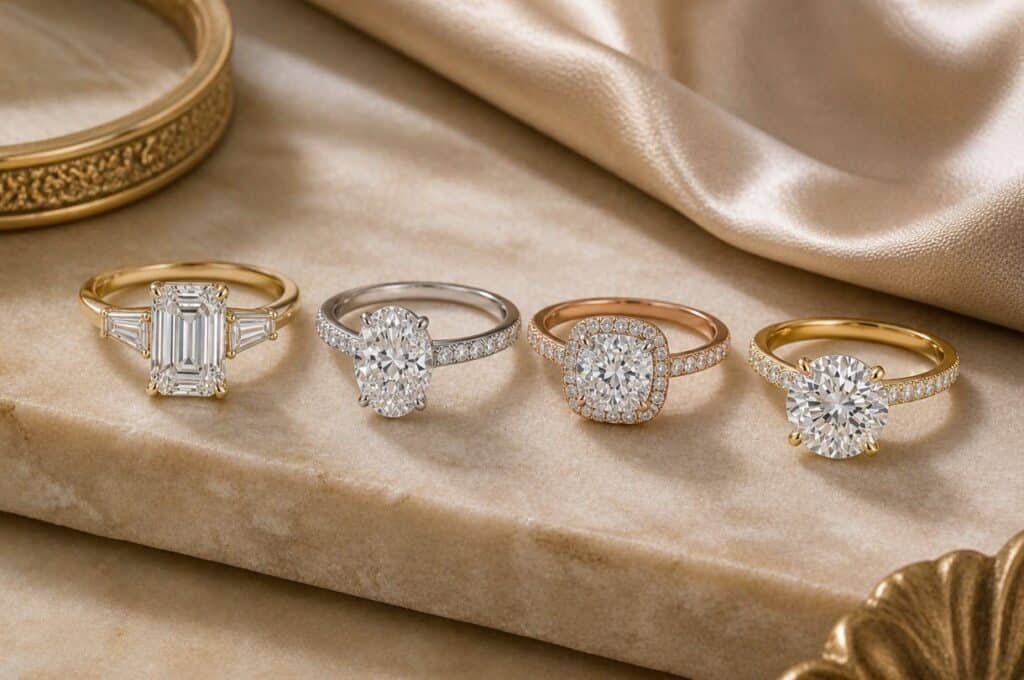
Designers often point out that most regrets come not from budget—but from poor prioritization. As Los Angeles jeweler Ethan Walker explains, “People overspend on the wrong element, and underinvest in what actually defines the ring’s look.”
Start With the Wearer, Not the Ring
Before looking at stones or styles, the most important step is understanding the person who will wear the ring every day. This sounds obvious, but it’s often overlooked.
Pay attention to:
- the type of jewelry they already wear (minimal vs bold)
- preferred metal tone (yellow gold, white gold, platinum)
- lifestyle (active, hands-on, office-based)
- whether they prefer timeless or trend-forward pieces
A ring that aligns with these factors will always feel more “right” than one chosen purely for visual impact.
Set a Budget With Flexibility
The traditional “three months salary” rule has largely disappeared. In its place, buyers are taking a more practical approach—setting a range rather than a fixed number.
A useful way to think about it:
- define a comfortable spending range
- decide where flexibility matters (stone vs setting)
- leave room for design upgrades rather than maxing out on size
Many designers recommend allocating more budget toward design and craftsmanship rather than pushing for the largest possible stone.
Choose the Center Stone Strategically
The center stone still plays a major role, but the key is choosing it intelligently rather than emotionally.
Important considerations:
- shape (affects overall look more than carat)
- cut quality (directly impacts brilliance)
- proportions (how the stone sits in the setting)
In 2026, elongated shapes are often preferred because they create a larger visual presence without requiring higher carat weight.
Another strategic decision is whether to go with natural or lab-grown diamonds. Lab-grown options allow buyers to either reduce cost or upgrade other elements of the ring without compromise.
Prioritize the Setting Design
One of the most consistent insights from designers is that the setting defines the ring more than the stone itself. diamond engagement rings
A well-designed setting:
- enhances how light interacts with the stone
- improves durability and long-term wear
- determines how the ring looks from different angles
Details that make a noticeable difference:
- prong style and placement
- band thickness and shape
- height of the setting (low vs high profile)
Subtle elements like hidden halos or sculpted bands often elevate the ring far more than increasing carat size.
Think About Daily Wear
A ring may look exceptional in photos but feel impractical in everyday use. This is where many buyers misjudge their decision.
Key factors for wearability:
- lower settings are less likely to catch on clothing
- smoother bands feel more comfortable over time
- durable metals reduce long-term maintenance
Designers often advise imagining the ring not in a proposal moment—but in daily life, months and years later.
Plan for the Wedding Band
An often overlooked step is how the engagement ring will pair with a wedding band. Certain designs—especially those with low or intricate settings—may require a custom-fit band.
To avoid issues later:
- consider spacing between ring and band
- choose a setting that allows flush alignment if desired
- think about whether you want contrast or cohesion
A Practical Decision Framework
To simplify the process, many experts suggest thinking in this order:
- wearer’s style and lifestyle
- overall ring design (setting)
- stone shape and proportions
- budget allocation
- finishing details and customization
This approach prevents overinvesting in a single element while neglecting the overall composition.
In the end, the right engagement ring is not defined by a single feature. It’s the result of balance—between design, proportion, and personal relevance. setting design
Engagement Ring Trends vs Timeless Choices
One of the most common concerns buyers have in 2026 is whether their engagement ring will still feel relevant years from now. With trends evolving quickly, it’s easy to choose something that feels current—but not necessarily lasting.
Designers often describe this as the balance between “fashion” and “structure.” Trends influence details, but timelessness comes from proportion and restraint.
As Geneva-based jeweler Marc Delacroix explains, “A ring doesn’t become timeless because it avoids trends—it becomes timeless because it uses them carefully.”
What Defines a Timeless Engagement Ring
Timeless rings are not necessarily simple—they are balanced. Their proportions, materials, and design choices are unlikely to feel outdated because they are built on fundamentals rather than extremes.
Key characteristics:
- clean, well-proportioned settings
- classic stone shapes (round, oval, cushion)
- neutral metal tones like gold or platinum
- minimal reliance on decorative elements that can date quickly
Solitaire and refined three-stone rings tend to fall into this category because they prioritize structure over embellishment.
What Feels Trend-Driven in 2026
Trends in 2026 are more subtle than in previous years, but they still exist. The key is recognizing which elements are enhancements—and which may define the ring too strongly.
Currently trend-driven elements include:
- hidden halos (when used prominently)
- ultra-thin bands below 1.5 mm
- mixed metal combinations
- unconventional stone orientations (east-west settings)
These can look exceptional when executed well, but they are more likely to reflect a specific period.
How to Combine Trends Without Regret
The most effective approach is not avoiding trends—but limiting where they appear.
Designers often recommend:
- keeping the base design timeless (stone shape + setting structure)
- adding trend elements in smaller, less dominant ways
- avoiding stacking multiple trends in a single ring
For example, a classic oval solitaire with a subtle hidden halo maintains longevity while still feeling current.
Long-Term Perspective From Designers
A recurring insight from experienced jewelers is that regret rarely comes from choosing something “too simple.” It usually comes from designs that felt exciting in the moment but lacked long-term balance.
“Clients who choose clean, well-structured rings almost never come back wanting to change them,” notes designer Emily Carter. “But overly detailed rings often feel dated faster than expected.”
A Practical Way to Decide
If you’re unsure whether a design will age well, a simple test helps:
- remove one design element—does the ring still feel complete?
- imagine the ring five to ten years from now—does it still fit the wearer’s style?
- compare it to classic designs—does it feel aligned or overly distinct?
If the ring still works without its trend-driven features, it’s likely a strong long-term choice.
The Balance That Works
The most successful engagement rings in 2026 follow a clear formula:
- timeless foundation
- one or two modern refinements
- strong attention to proportion
This creates a ring that feels current today, but not temporary.
Common Engagement Ring Mistakes to Avoid
Even with more information available than ever before, buyers continue to make a small set of predictable mistakes when choosing an engagement ring. These aren’t obvious at the moment of purchase—but they often become clear after a few months of wear.
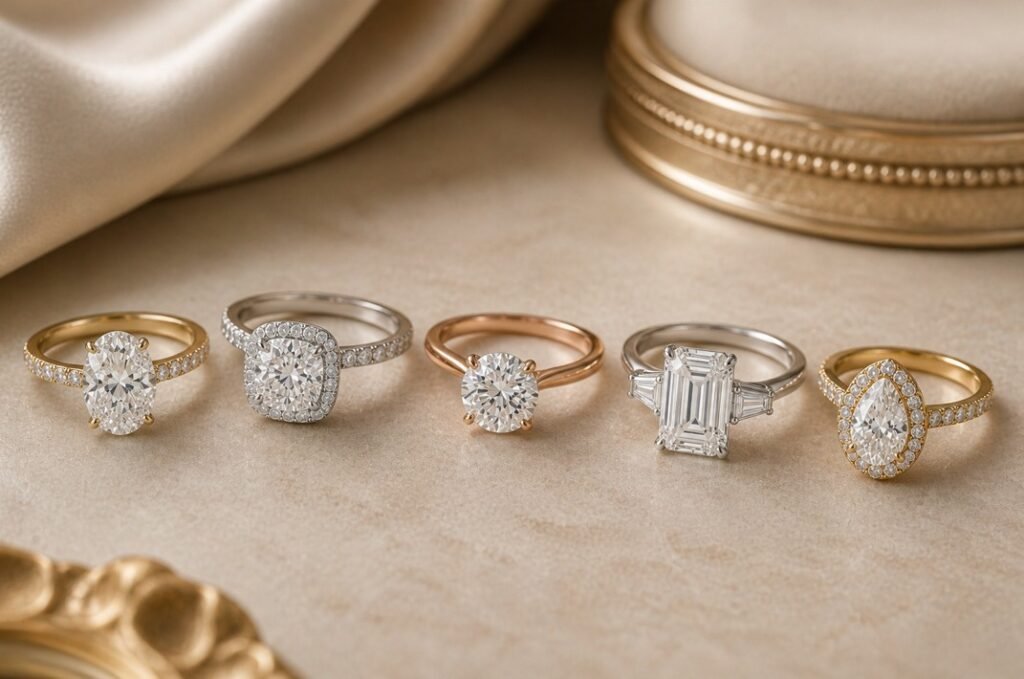
Designers and retailers consistently point out that most issues don’t come from budget limitations, but from misaligned priorities. As one New York jeweler put it, “People don’t regret spending too little—they regret spending incorrectly.”
Focusing Too Much on Carat Size
One of the most common mistakes is prioritizing carat weight above everything else. While size has visual impact, it does not guarantee a better-looking ring.
In many cases, buyers sacrifice:
- cut quality
- setting design
- overall balance
This often results in a ring that appears less refined, even if the stone is technically larger.
A well-cut, properly set smaller stone will almost always look more expensive than a larger stone in a poorly designed setting.
Ignoring the Setting Quality
Buyers frequently treat the setting as secondary, even though it defines how the ring actually looks and wears.
Common issues include:
- weak or poorly positioned prongs
- bands that are too thin for long-term durability
- settings that sit too high and catch on everyday objects
Designers emphasize that the setting is not just decorative—it’s structural. Cutting corners here can affect both appearance and longevity.
Choosing Style Over Wearability
A ring can look exceptional in photos but feel impractical in daily life. This disconnect is more common than most expect.
Typical problems:
- high-profile settings that snag on clothing
- sharp edges or exposed details
- overly delicate bands that bend over time
Experienced jewelers often advise testing how a ring feels, not just how it looks. Comfort and durability become far more important after the proposal.
Not Considering the Wearer’s Lifestyle
Another frequent mistake is choosing a ring based on trends rather than the wearer’s habits.
For example:
- active lifestyles may require lower settings and stronger metals
- minimalists may feel uncomfortable with highly detailed designs
- people who rarely wear jewelry may prefer simpler, lighter rings
Ignoring these factors often leads to the ring being worn less than expected.
Overlooking Ring Proportions
Proportion is one of the least understood—but most important—elements of ring design.
This includes:
- the relationship between stone size and band width
- how the stone sits relative to the finger
- overall visual balance from different angles
A ring with poor proportions can look awkward regardless of stone quality or price.
Skipping Long-Term Planning
Many buyers focus entirely on the engagement ring without thinking about how it will evolve over time.
Common oversights:
- not considering how it pairs with a wedding band
- choosing a design that limits resizing options
- ignoring maintenance requirements
Planning ahead avoids unnecessary adjustments later.
Trying to Maximize Everything at Once
Perhaps the most critical mistake is attempting to optimize every factor—size, clarity, design, and price—simultaneously.
This usually leads to compromise in the wrong areas.
A more effective approach is to prioritize:
- overall visual impact
- structural quality
- personal relevance
and allow other factors to adjust accordingly.
What Experienced Buyers Do Differently
Those who are happiest with their purchase tend to:
- focus on balance rather than extremes
- invest in design and craftsmanship
- choose based on long-term wear, not short-term impression
The difference is subtle, but it’s what separates a ring that feels “good” from one that feels exactly right.
Choosing a Ring That Actually Feels Right
After reviewing trends, styles, and technical details, the final decision often comes down to something less measurable: how the ring feels as a complete piece. Not emotionally in the abstract sense, but visually and physically—how balanced it looks, how natural it feels on the hand, and how well it aligns with the person wearing it.
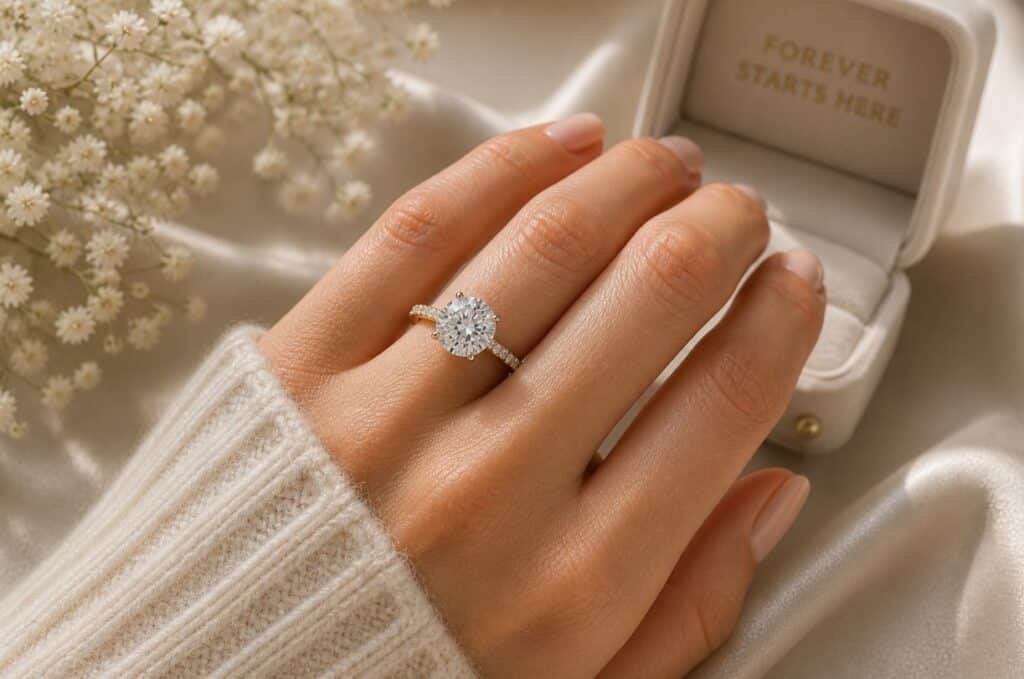
Designers often describe this moment as recognition rather than decision. “The right ring doesn’t require justification,” says designer Olivia Grant. “When everything is in proportion, it simply makes sense.”
Focus on Overall Composition
Instead of evaluating each element separately, step back and look at the ring as a whole.
Ask yourself:
- does the stone feel proportionate to the band?
- does the design look intentional from every angle?
- does anything feel exaggerated or out of place?
Rings that feel cohesive tend to age better and remain visually satisfying over time.
Avoid Overthinking Specifications
Technical details—carat, clarity, grading—are important, but they are not the final measure of quality. Many buyers spend too much time comparing numbers and not enough time assessing how the ring actually looks.
A slightly lower clarity grade in a well-cut stone will almost always appear more refined than a technically “better” stone with poor proportions or setting.
The goal is not perfection on paper, but balance in reality.
Trust Subtle Details
What separates a well-made ring from an average one is rarely obvious at first glance. It’s in the details that reveal themselves gradually:
- how light moves across the stone
- how smoothly the band transitions into the setting
- how the ring sits on the finger without shifting
These are the elements that define long-term satisfaction.
Think Beyond the Proposal
It’s easy to focus on the moment of giving the ring, but its true role begins afterward. The best choices are those that continue to feel right in everyday life.
Consider:
- whether the ring fits comfortably into daily routines
- how it pairs with other jewelry
- whether it still feels appropriate in different settings—formal and casual
Rings that integrate naturally into daily wear tend to be valued more over time.
A Simple Final Check
Before making the final decision, step away from comparisons and return to a simple question:
Does this ring feel balanced, natural, and appropriate for the person who will wear it?
If the answer is clear, the decision is usually correct.
Closing Thought
The best engagement rings of 2026 are not defined by size, price, or trend. They are defined by clarity of choice—where design, proportion, and personal meaning align without conflict.
That’s what gives a ring presence. Not just in the moment it’s given, but in the years that follow.
Frequently Asked Questions
What is the most popular engagement ring style in 2026?
Oval and elongated diamond shapes paired with refined settings—especially hidden halos or minimalist solitaires—are among the most popular choices. They offer a balance between modern appearance and long-term wearability.
Are lab-grown diamonds a good choice for engagement rings?
Yes. Lab-grown diamonds are increasingly chosen not only for their price advantage, but also for their consistency and transparency in sourcing. Visually and structurally, they are identical to natural diamonds, making them a practical option for many buyers.
How much should you realistically spend on an engagement ring?
There is no fixed rule. Most buyers in the U.S. spend between $3,000 and $6,000, but the right amount depends on personal finances and priorities. A well-designed ring at a lower price point will often look better than a poorly balanced expensive one.
Which diamond shape looks the largest?
Elongated shapes such as oval, marquise, and emerald cuts tend to appear larger than round diamonds of the same carat weight. Their proportions create more surface area, which enhances visual size.
What matters more: carat or cut?
Cut quality is more important. A well-cut diamond reflects light more effectively, creating brilliance and clarity that significantly impact how the ring looks. A larger stone with poor cut quality can appear dull in comparison.
Which metal is best for an engagement ring?
Platinum and gold (white, yellow, or rose) are the most common choices. Platinum is more durable and resistant to wear, while gold offers more flexibility in color and design. The best option depends on lifestyle and aesthetic preference.
Can engagement rings be resized?
Most rings can be resized, especially those made from gold or platinum. However, certain designs—such as full eternity bands or highly intricate settings—may have limitations.
Are hidden halo rings still in style?
Yes, but in a more refined form. In 2026, hidden halos are used subtly to enhance brilliance without dominating the design, making them a popular choice for those who want understated detail.
What is the most timeless engagement ring?
A well-proportioned solitaire or a balanced three-stone ring with classic diamond shapes (round, oval, cushion) tends to remain timeless. The key factor is proportion and simplicity rather than the specific style.
How do I choose a ring that won’t go out of style?
Focus on structure rather than trend. Choose a classic base design, then incorporate subtle modern details if desired. Avoid combining too many trend-driven elements in one ring.
Is it better to buy online or in-store?
Both options can work well. Online retailers often provide better pricing and selection, while in-store purchases allow for physical inspection and immediate adjustments. The best choice depends on how comfortable you are evaluating details remotely.
How long does it take to get an engagement ring?
Standard rings can be delivered within a few days to a few weeks. Custom designs typically take 3–6 weeks depending on complexity and production time.

