
Promise Rings: Meaning, Styles, Cost, and How to Choose
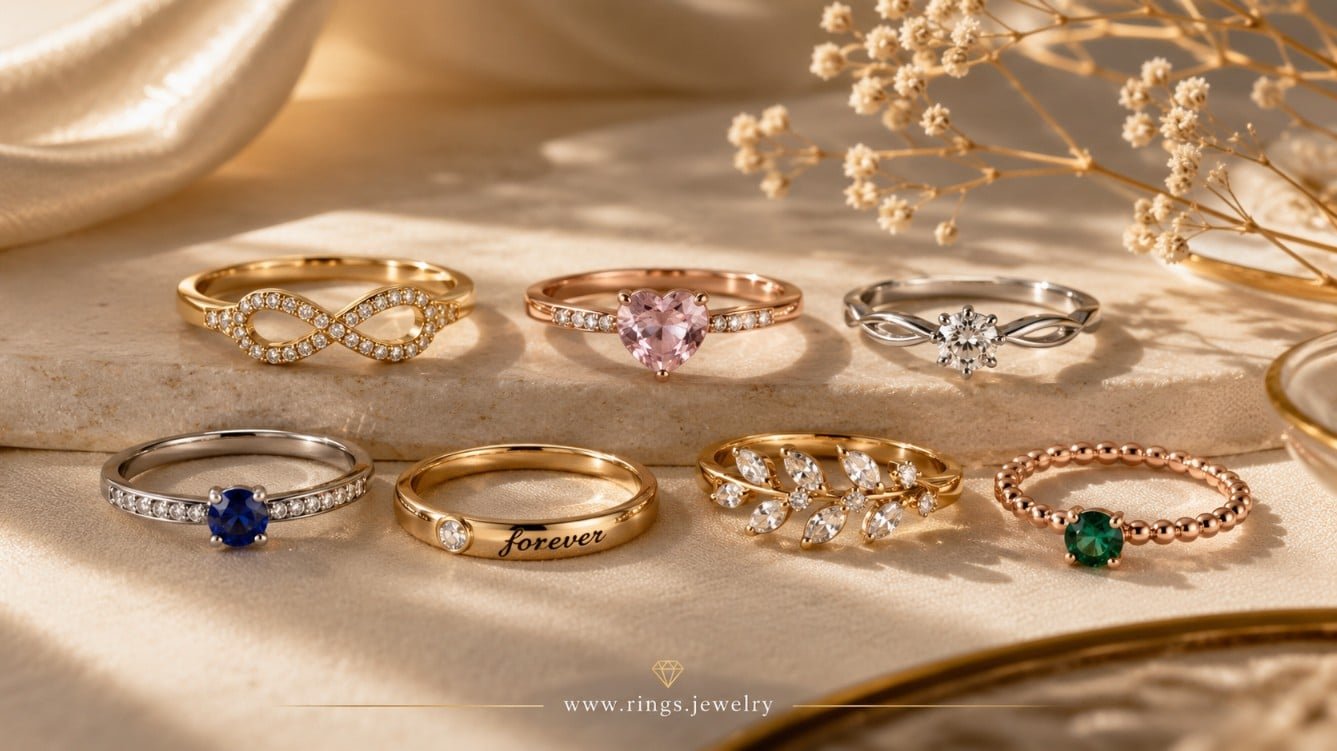
A promise ring is one of the most flexible pieces of meaningful jewelry. That is exactly what makes it beautiful — and exactly what makes people confused when they start shopping.
Unlike an engagement ring, a promise ring does not have one single universal rule. It can mean romantic commitment before engagement. It can mark loyalty during a long-distance relationship. It can celebrate a private vow, a friendship, a personal milestone, a family connection, a recovery journey, or a promise two people understand without needing the whole world to understand it for them.
That freedom is powerful, but it also puts more responsibility on the buyer. A promise ring should not be chosen only because it is pretty. It should match the promise, the wearer, the relationship stage, the budget, the finger placement, the material, the stone, the engraving, and the emotional message behind the gift.
This complete promise rings guide is the central hub for the full topic. It explains what promise rings mean, how they differ from engagement rings, what finger to wear one on, how much to spend, which styles work best, how to choose promise rings for her or for men, how couple promise rings work, what to engrave, what mistakes to avoid, and how to build a thoughtful gift moment around the ring.
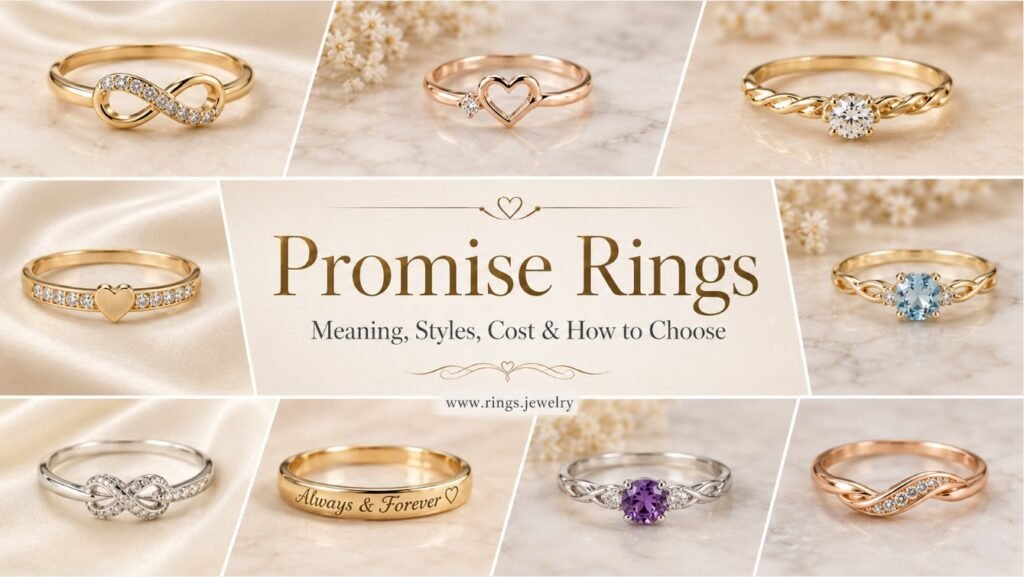
Explore the Complete Promise Ring Guide Library
This topic works best as a knowledge hub, not one overloaded article with every detail buried in the middle. Use this page as the main promise rings guide, then move into the deeper articles when you need a specific answer about meaning, cost, finger placement, engraving, couple styles, men’s rings, women’s rings, or style inspiration.
The cards below are designed as a visual map of the cluster. Each guide supports a different decision someone makes before buying or giving a promise ring.
Promise Ring Meaning
Start here if you want the deeper explanation of love, loyalty, friendship, future intention, long-distance promises, and personal vows.
Read the meaning guide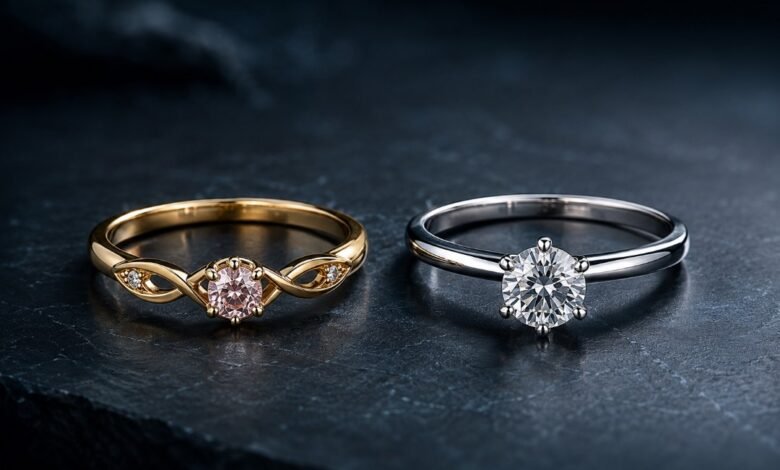
Promise Ring vs Engagement Ring
Use this guide if you need to avoid proposal confusion or understand how commitment jewelry differs from engagement jewelry.
Compare the ring meanings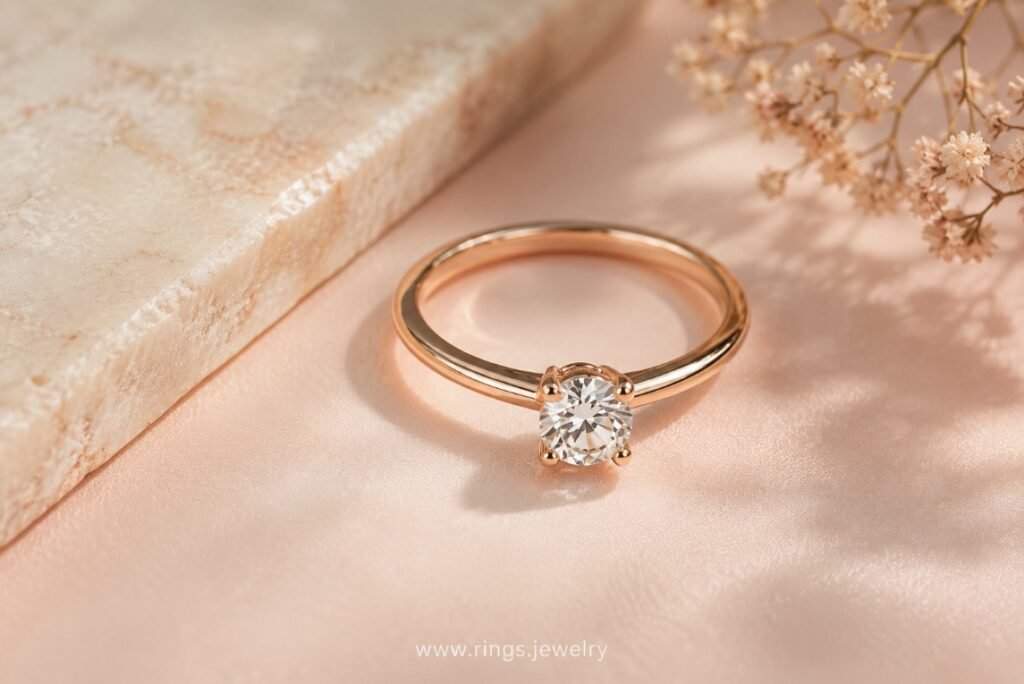
What Finger to Wear It On
Choose the right placement based on meaning, comfort, relationship stage, culture, and whether you want to avoid engagement assumptions.
Find the right finger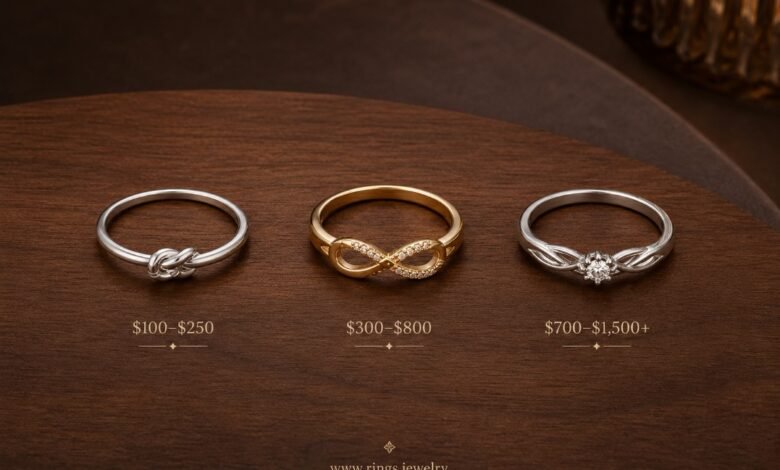
How Much to Spend
Compare realistic budgets for silver, gold, birthstone, diamond, engraved, and custom promise rings without turning the gift into a financial performance.
Plan the ring budget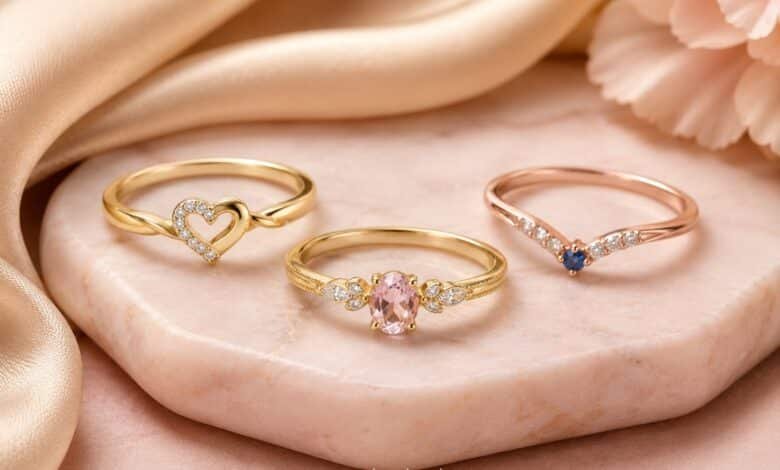
Promise Rings for Her
Explore dainty gold, birthstone, heart, gemstone, small diamond, engraved, and custom styles that feel personal and wearable.
Choose a style for her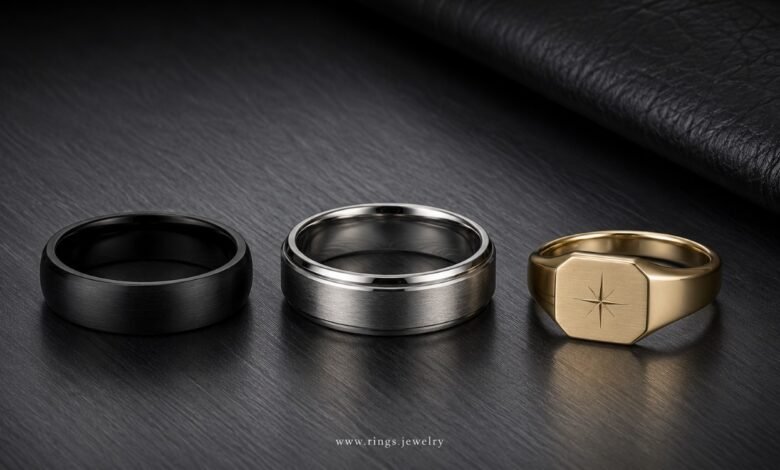
Promise Rings for Men
Compare titanium, tungsten, black bands, signet-inspired rings, engraved bands, brushed finishes, and minimalist gold designs.
Explore men’s promise rings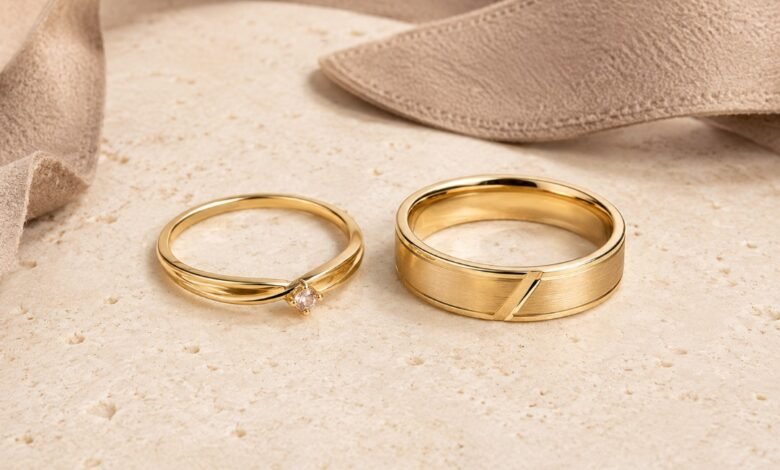
Couple Promise Rings
Choose matching, coordinated, engraved, custom, birthstone, or mixed-metal rings that feel connected without forcing identical styles.
Design couple rings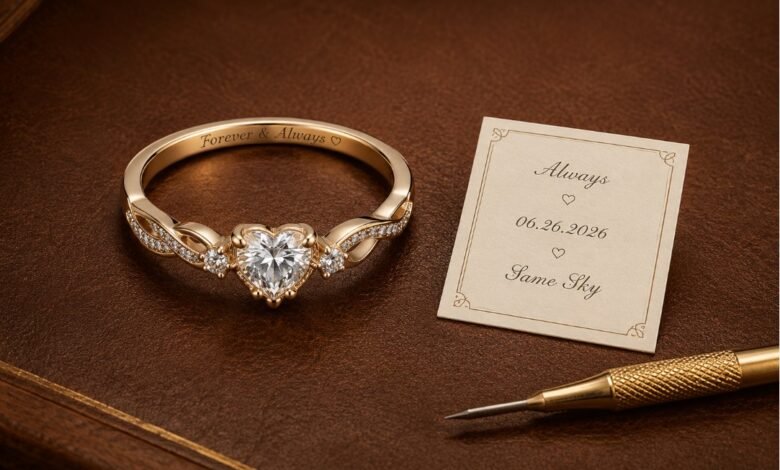
Engraving Ideas
Find short messages, initials, dates, coordinates, private phrases, romantic words, and couple inscriptions for the inside of the ring.
Find engraving wording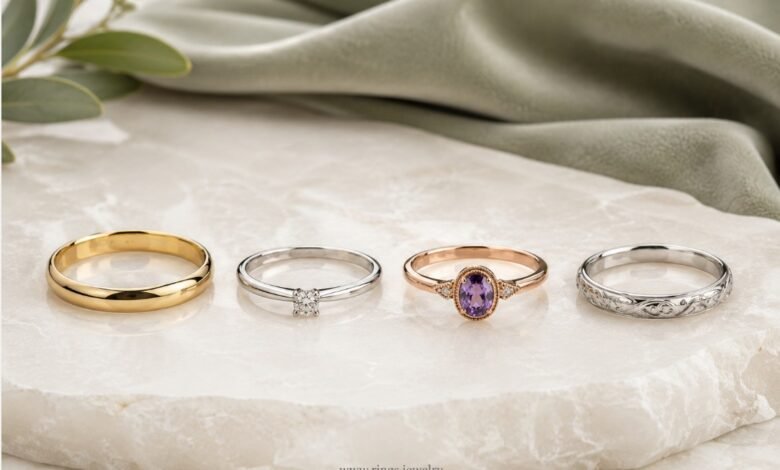
Best Promise Ring Styles
Compare simple bands, diamond accents, birthstone designs, engraved rings, gold, silver, modern, and custom promise ring styles.
Browse promise ring stylesWhat Does a Promise Ring Mean?
A promise ring means that a promise has been given physical form. That promise can be romantic, personal, spiritual, familial, or private. The ring is the visible object, but the real meaning is the agreement behind it.
For couples, a promise ring often represents commitment before engagement. It can say, “I am serious about us,” without saying, “We are officially getting married.” It can also mark a long-distance relationship, a future plan, a renewed commitment, or a moment when two people want something more permanent than words but less formal than a proposal.
For friends, a promise ring can represent loyalty, shared history, or a bond that deserves a symbol. For individuals, it can mark a self-promise: sobriety, independence, healing, faith, growth, or a private standard the wearer wants to carry every day.
The important detail is clarity. A promise ring should not rely on vague assumptions. If the ring is romantic, both people should understand whether it means exclusivity, future intention, long-distance loyalty, pre-engagement, or something else. If the ring is personal, the wearer should know exactly what the ring is meant to remind them of.
This is the most familiar meaning. The ring shows loyalty, seriousness, and emotional intention without necessarily becoming an engagement ring.
Some couples use a promise ring as a step toward a future proposal, especially when they are too young, too far apart, or not financially ready for engagement.
The ring becomes a physical reminder that the relationship continues even when the couple is separated by cities, countries, work, school, or time zones.
A self-promise ring can mark a private commitment to growth, recovery, discipline, self-respect, or a life change.
If meaning is the main question, the deeper article on what a promise ring really means explains the symbolism in more detail.
Promise Ring vs Engagement Ring: Similar Emotion, Different Message
Promise rings and engagement rings can both be romantic, but they do not carry the same social meaning. An engagement ring is usually connected to a formal proposal and a plan to marry. A promise ring is broader. It can represent commitment, loyalty, intention, or a private promise, but it does not automatically announce marriage.
This distinction matters because jewelry is read visually. A large solitaire diamond on the left ring finger may be interpreted as an engagement ring even if the giver says it is only a promise ring. A slim engraved band, birthstone design, small diamond accent, right-hand ring, signet, or coordinated couple ring may communicate promise more clearly.
The difference is not only price. It is expectation. Engagement rings usually carry public weight: family questions, wedding assumptions, proposal stories, and social recognition. Promise rings can be serious, but they are usually more personal and flexible.
If there is any risk of mixed signals, study the promise ring and engagement ring comparison before choosing a design, finger, stone, or gift moment.
What Finger Do You Wear a Promise Ring On?
A promise ring can be worn on different fingers. There is no single rule that fits every person, culture, or relationship. The best finger depends on the meaning of the promise, the wearer’s comfort, existing rings, lifestyle, and whether the ring should avoid being mistaken for an engagement ring.
The left ring finger is the most romantic and traditional option, but it is also the most likely to create engagement assumptions. The right ring finger is often a cleaner choice for commitment without proposal confusion. The middle finger can make the ring feel more personal and style-driven. Some people wear a promise ring on a necklace when sizing, work, comfort, or privacy matters.
Left ring finger
Best when the promise is romantic and both people are comfortable with the ring being read as serious. It may create engagement confusion, especially with diamond styles.
Right ring finger
Good for commitment without proposal assumptions. It keeps the meaning close, visible, and wearable without competing with engagement-ring symbolism.
Middle finger
Useful for personal vows, self-promise rings, fashion-forward styling, or rings that should feel meaningful but less traditional.
Necklace
A good alternative when the wearer cannot wear rings every day, needs privacy, or wants the ring close without making it visible on the hand.
The full guide to what finger to wear a promise ring on gives clearer placement scenarios for couples, men, women, and people trying to avoid engagement confusion.
How Much Should You Spend on a Promise Ring?
A promise ring does not need to follow engagement-ring budget rules. In fact, treating it like a miniature engagement ring can make the gift feel awkward. The right budget depends on the meaning of the ring, the material, stone choice, durability, craftsmanship, engraving, and the giver’s financial situation.
A meaningful sterling silver ring can cost far less than a custom gold design, and both can be correct. A small birthstone ring can be more personal than a larger diamond. A simple engraved band can feel more thoughtful than a flashy ring that does not match the wearer. Price matters, but it is not the emotional center of the gift.
Spend enough to buy a ring that will not feel disposable. Do not spend so much that the ring creates pressure, confusion, or financial stress. A promise ring should feel like a thoughtful symbol, not a test.
Lower budget
Sterling silver, simple bands, stainless steel, small engravings, and minimal designs can work well when the promise is sincere but the budget is modest.
Mid-range budget
Solid gold, birthstones, small diamond accents, better craftsmanship, and personal engraving often create the strongest balance of meaning and quality.
Higher budget
Custom work, platinum, fine gemstones, or premium diamond details can make sense for serious long-term promises, but the design still needs clear boundaries.
Budget mistake
Overspending can make a promise ring feel like a proposal ring. Underspending on poor materials can make the promise feel careless. The middle is often where the best choices live.
For a more practical price breakdown, read the guide on how much to spend on a promise ring.
Best Promise Ring Styles
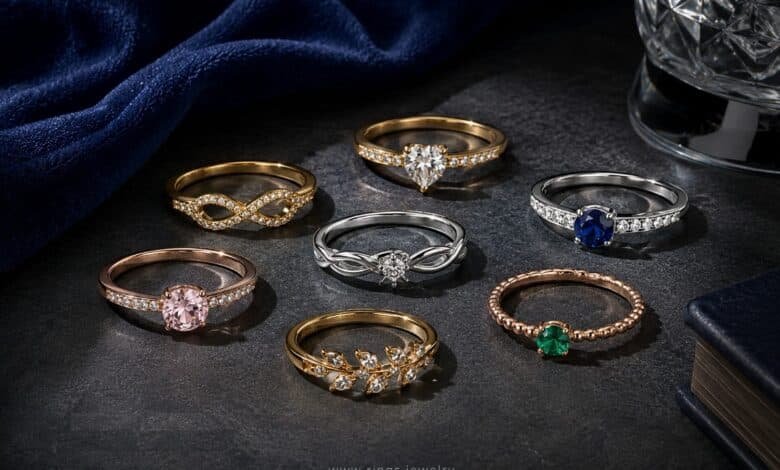
The best promise ring style is the one that matches the message. A simple band can say quiet commitment. A small diamond can say romance. A birthstone can say personal meaning. An engraving can make a plain ring deeply intimate. A black band or signet can make the ring feel modern and understated. A custom ring can turn one private detail into a lasting design.
The mistake is starting with sparkle instead of meaning. A promise ring is not a contest for the most dramatic piece in the case. It is a message. The design should make that message clearer, not louder.
Best for minimal style, daily wear, private promises, friendship rings, and people who dislike jewelry that attracts too much attention.
Best for serious romantic promises when the design stays subtle enough to avoid looking like a formal engagement ring.
Best for personal symbolism, anniversaries, family meaning, color, and rings that should feel chosen for one specific person.
Best when one meaningful element — coordinates, initials, hidden stone, date, or band shape — makes the ring feel specific.
For a style-focused shopping guide, go to best promise ring styles.
Promise Rings for Her
Promise rings for her should be chosen with her actual jewelry habits in mind. Not the buyer’s fantasy version of romance. Her real style.
Does she wear yellow gold, silver, rose gold, or mixed metals? Does she like delicate rings or bold statement pieces? Does she wear gemstones, diamonds, hearts, minimal bands, vintage designs, or modern clean lines? Does she work with her hands? Does she wear rings daily? Does she prefer pieces that feel obvious or private?
Popular promise ring styles for her include dainty gold bands, small diamond accents, birthstone rings, heart details, gemstone designs, engraved bands, slim stacking rings, and custom pieces with hidden meaning. But the best style is the one she will actually wear.
Dainty gold promise rings
Elegant, wearable, warm, and easy to style with everyday jewelry. A strong choice for someone who likes refined pieces.
Birthstone promise rings
Personal without being too formal. Birthstones work well when the ring should feel intimate and chosen with care.
Small diamond promise rings
Romantic and polished, especially when the diamond is an accent rather than a proposal-style center stone.
Engraved bands
Simple outside, meaningful inside. This is often the best choice when the message should stay private.
The dedicated guide to promise rings for her gives more detail on styles, stones, meanings, and gift choices.
Promise Rings for Men
Promise rings for men often need a different design language. Many men prefer rings that feel clean, strong, comfortable, and wearable with watches, workwear, casual clothing, or formal outfits. The ring can be romantic, but it does not have to look delicate or decorative.
Good men’s promise ring styles include titanium bands, tungsten rings, black bands, brushed metal, signet-inspired designs, engraved silver, minimalist gold, matte finishes, and wider bands with subtle details. The promise can live inside the ring through engraving, or in a shared design detail with a partner’s ring.
Comfort is especially important. A ring that looks good but feels annoying will sit in a drawer. Band width, edge shape, weight, finish, resizing limits, and daily routine all matter.
For more metal and design options, read the guide to promise rings for men.
Couple Promise Rings
Couple promise rings can match, but they do not have to be identical. Matching rings work when both people genuinely want the same style. Coordinated rings often work better when each person has a different jewelry taste.
A couple set can share engraving, metal color, stone, date, symbol, finish, or shape. One ring can be slim and delicate while the other is wider and more masculine. One can have a visible birthstone while the other carries the same stone hidden inside the band. One can be gold, the other black, and both can share a short phrase engraved inside.
The point is connection, not costume.
Matching couple rings
Best when both people like the same ring style and want the connection to be visible.
Coordinated couple rings
Best when the rings should feel connected but still suit each person’s hand, style, and daily life.
Engraved pair rings
Best for shared dates, split phrases, initials, coordinates, or private words that make sense only to the couple.
Custom couple rings
Best when the couple wants a subtle design language built around a shared stone, shape, mark, or story.
The dedicated guide to matching, engraved, and custom couple promise ring ideas gives more specific pairings.
Promise Ring Engraving Ideas
Engraving is one of the strongest ways to make a promise ring feel personal. It works because it adds meaning without making the outside too busy. A ring can look simple to everyone else and still carry a private message for the wearer.
Good promise ring engravings are usually short. Initials. A date. Coordinates. A private word. A two-word phrase. A tiny symbol. A split message across two rings. The inside of a ring is not the place for a full speech. The most powerful engravings often feel almost too small to explain to anyone else.
Romantic engraving
Short phrases such as “Always,” “Still You,” “My Promise,” or “Same Sky” can work when the ring marks love or long-distance commitment.
Date engraving
A first meeting, anniversary, promise date, or personal turning point can make the ring feel anchored to one meaningful moment.
Coordinates
Coordinates can represent where the relationship began, where the promise was made, or where two people feel emotionally connected.
Private phrase
This is often the best engraving. Not poetic for everyone. Perfect for the two people who know what it means.
For wording options, use the full guide to promise ring engraving ideas. If the ring will be given with a note or small card, the guide to ring gift message examples can help shape the words around the gift.
How to Choose the Right Promise Ring
Choosing the right promise ring is a sequence, not a random scroll through pretty rings. Start with meaning. Then choose style. Then choose material. Then check daily wear. Then decide whether engraving, stone choice, or custom detail should carry the personal message.
The ring should look good, but the real test is whether it feels true. If the promise is quiet, a quiet ring may be better. If the promise is serious, durability may matter more than decoration. If the relationship is not engaged, the ring should not accidentally look like a proposal unless that ambiguity is intentional and understood.
Define the promise first. Is it romantic commitment, future intention, long-distance loyalty, friendship, self-respect, or a couple vow?
Look at the wearer’s jewelry habits. Gold or silver? Minimal or bold? Stones or plain metal? Romantic or modern?
Choose a style that matches the message. Simple for quiet commitment, diamond for romance, birthstone for personal meaning, engraving for privacy, custom for specificity.
Check durability. Thin bands, delicate stones, high settings, and soft materials may not suit daily wear.
Decide finger placement before buying. A ring intended for the right hand may need a different size than a ring worn on the left ring finger.
Do not ignore resizing. Some alternative metals are difficult or impossible to resize.
Make the gift moment clear. A short explanation, note, or card can prevent confusion about what the ring means.
Promise Ring Mistakes to Avoid
Most promise ring mistakes come from unclear meaning. The ring may be beautiful, but if the message is confusing, the gift can become stressful. A promise ring should never force the wearer to guess whether it is a proposal, a casual gift, a friendship symbol, or a serious commitment.
A large diamond solitaire or halo setting can look like an engagement ring. If that is not the intention, choose a subtler style.
A tall stone, delicate setting, or very thin band may not work for someone who wears rings daily or works with their hands.
The ring should match the wearer’s style, not only the giver’s idea of romance.
One meaningful detail is elegant. Five symbols, three stones, two dates, and a long engraving can make the ring feel confused.
A promise ring should usually come with a few clear words. The meaning should not be left entirely to interpretation.
How to Care for a Promise Ring
A promise ring may not always cost as much as an engagement ring, but it still deserves care. The more often the ring is worn, the more important the material and maintenance become.
Gold, platinum, titanium, tungsten, sterling silver, diamonds, sapphires, emeralds, opals, pearls, and softer gemstones all behave differently. Some stones can handle daily wear better than others. Some metals scratch, tarnish, bend, or resist resizing. Some finishes look beautiful at first but show wear quickly.
Clean gently
Warm water, mild soap, and a soft brush are enough for many rings. Avoid harsh chemicals unless a jeweler confirms the material can handle them.
Remove during rough work
Sports, heavy lifting, cleaning, gardening, and chemical exposure can damage stones, finishes, and settings.
Check stones and settings
If the ring has gemstones or diamond accents, inspect prongs, bezels, and settings regularly so small damage does not become a lost stone.
Store separately
Keeping the ring away from harder jewelry helps prevent scratches, especially with gold, silver, and softer gemstones.
How to Give a Promise Ring Without Confusion
The gift moment matters. A promise ring can be emotional, but it should not feel like a trap. The wearer should understand what the ring means and what it does not mean.
You do not need a dramatic speech. In many cases, a calm sentence is better than a theatrical moment. Say what the promise is. Say why you chose the ring. If it is not an engagement ring, make that clear with warmth rather than awkwardness. If it is a step toward engagement someday, say that carefully and honestly.
A small card can help. So can engraving. So can choosing the right finger. The gift should feel thoughtful, not confusing.
Metals and Stones That Work Well for Promise Rings
The best material depends on the wearer and the promise. Yellow gold feels warm and classic. White gold feels polished and clean. Rose gold feels romantic and soft. Sterling silver is affordable and bright but needs more care. Platinum is durable and premium. Titanium and tungsten can work beautifully for men’s rings and modern bands, though resizing can be limited.
Stones carry their own logic. Diamonds add romantic sparkle, but they should usually be scaled carefully if the ring is not meant to look like an engagement ring. Birthstones make the ring more personal. Sapphires are durable and elegant. Rubies feel passionate. Garnets feel warm. Amethyst and aquamarine can feel softer and more affordable. Emeralds are beautiful but need more care. Opals and pearls can be meaningful but are not ideal for rough daily wear.
Best low-maintenance direction
A simple gold band, platinum band, titanium ring, tungsten band, small diamond accent, or sapphire design usually gives better durability than fragile stone-heavy styles.
Best personal direction
Birthstones, engraving, coordinates, hidden stones, initials, and custom details make the ring feel more connected to the wearer.
Best subtle romantic direction
A slim gold band with a small diamond, a tiny heart detail, or a private engraving can feel romantic without becoming proposal-level.
The Best Promise Ring Is Clear, Wearable, and Personal
A good promise ring does not need to be the biggest, brightest, or most expensive ring in the room. It needs to make sense.
If the promise is romantic, choose a ring that expresses commitment without creating unwanted confusion. If the promise is personal, choose something the wearer will recognize emotionally. If the rings are for a couple, let them share one detail while still fitting both people. If the ring is engraved, keep the message short and true. If the style is simple, trust that simple can still be powerful.
The strongest promise rings have three things in common: the meaning is clear, the design suits the wearer, and the ring can realistically be worn. Everything else — stone, metal, price, style, engraving, finger placement — should support those three things.
That is how a promise ring becomes more than a pretty object. It becomes a small, durable reminder of something someone actually intends to keep.
FAQ
What is a promise ring?
A promise ring is a ring given to represent a meaningful commitment. It may symbolize romantic loyalty, a future engagement, a long-distance relationship, friendship, faith, a self-promise, or a personal milestone.
Is a promise ring the same as an engagement ring?
No. An engagement ring traditionally represents a marriage proposal, while a promise ring represents commitment that may or may not lead to engagement. The meaning should be explained clearly when the ring is given.
Does a promise ring mean you are engaged?
Not automatically. Some promise rings mean a future engagement may happen someday, but the ring itself is not an engagement ring unless both people agree that it represents a proposal.
What finger do you wear a promise ring on?
A promise ring can be worn on the left ring finger, right ring finger, middle finger, or even on a chain. The right ring finger is often a good choice when the ring is romantic but not intended to look like an engagement ring.
Can a promise ring be worn on the left ring finger?
Yes, especially if it represents romantic commitment or a future engagement. However, a promise ring on the left ring finger may be mistaken for an engagement ring, particularly if it has a solitaire diamond.
How much should a promise ring cost?
Many promise rings cost between $100 and $1,500+, depending on metal, gemstone, design, and customization. A good promise ring should fit the meaning and budget without creating engagement-level pressure.
Can a promise ring have a diamond?
Yes. A promise ring can have a diamond, especially a small diamond, diamond accent, or subtle diamond band. If it is not meant as an engagement ring, avoid a large bridal-style solitaire unless the meaning is very clear.
Are birthstones good for promise rings?
Birthstones are excellent for promise rings because they make the design personal. Durable stones such as sapphire and ruby work especially well for daily wear, while softer stones need more careful settings and care.
What is the best metal for a promise ring?
14k gold is often the best balance of durability, price, and everyday wear. Sterling silver is more affordable but scratches and tarnishes more easily. Platinum is premium and durable, while 18k gold has richer color but is softer than 14k.
Can men wear promise rings?
Yes. Men’s promise rings can be simple bands, signet rings, engraved rings, black bands, gold bands, titanium rings, tungsten rings, or custom symbolic designs. The best choice depends on comfort, lifestyle, and meaning.
Should a promise ring be engraved?
Engraving is a strong choice for promise rings. Initials, dates, coordinates, short phrases, private symbols, or meaningful words can make a simple ring feel personal without making the design overly expensive.
What should I say when giving a promise ring?
Say what the ring means, why you chose it, and what promise it represents. A promise ring should not leave the recipient guessing whether it means commitment, future engagement, friendship, or something personal.
Can a promise ring later become an engagement ring?
It can, but it does not have to. Some people keep the promise ring as a right-hand ring after engagement. Others wear it on a chain, stack it with other rings, or keep it as a sentimental piece.
Are promise rings only for couples?
No. Promise rings can also represent friendship, faith, self-commitment, recovery, family bonds, or personal milestones. The meaning depends on the promise, not only on the relationship type.
