
White Gold Rings: Rhodium Plating, Yellowing, and Care
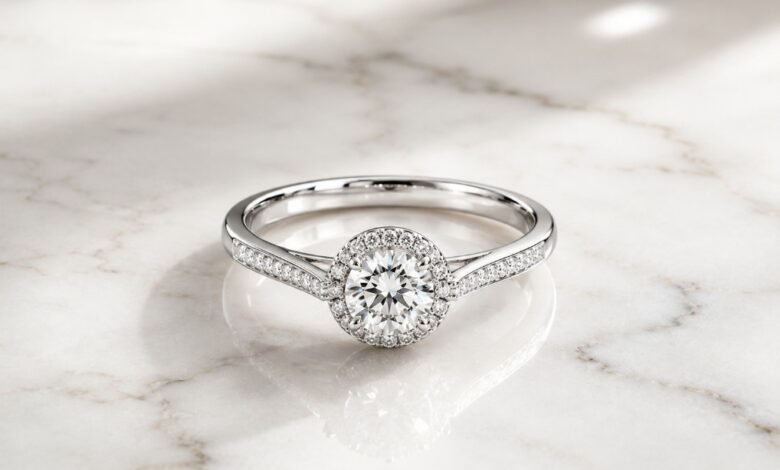
White gold rings have a polished, bright, diamond-friendly look that feels clean and timeless. They can make a diamond look crisp, modern, and beautifully framed without the higher price of platinum.
Then one day, many owners notice something strange. The ring still looks beautiful, but it is not quite as icy white as it used to be. The underside looks warmer. The edges look slightly yellow. The shine seems different around the places that touch the skin most.
That does not mean the ring is fake. It does not mean the jeweler tricked you. It usually means the rhodium plating is wearing down and the natural tone of the white gold alloy is beginning to show through. White gold is lovely, but it is not maintenance-free. It has a wardrobe change built into its life.
The First Diagnosis: Your White Gold Is Probably Not “Turning Bad”
White gold rings often appear to turn yellow because the rhodium plating on the surface wears away over time. White gold itself is made by mixing pure gold with whiter alloy metals, but it is not naturally as bright white as rhodium or platinum. Rhodium plating gives white gold its crisp, reflective finish, and daily wear slowly thins that layer. The fix is usually professional cleaning and rhodium replating, not replacing the ring.
What White Gold Actually Is
White gold is not pure white metal pulled from the earth in a perfectly icy shade. It starts with yellow gold. Pure gold is naturally yellow, so jewelers mix it with other metals to create a paler alloy suitable for rings, prongs, pavé, and diamond settings.
The exact alloy can vary. White gold may include metals such as palladium, silver, nickel, zinc, or other alloy components depending on the maker and the karat. The result is a gold alloy that looks lighter and cooler than yellow gold, but it usually still has a slightly warm undertone underneath the surface finish.
The part buyers often miss
White gold is real gold. It is simply gold alloyed to look whiter. The bright white finish many people associate with white gold usually comes from rhodium plating on top of the gold alloy.
This is why two white gold rings can age differently. One alloy may look slightly warmer when plating wears. Another may look cooler. One person may wear through plating quickly because of skin chemistry, work habits, cleaning products, or constant friction. Another may go much longer before noticing a change.
So when someone says, “My white gold ring is turning yellow,” the more accurate version is usually: “The rhodium layer is wearing, and the natural tone of the white gold alloy is showing.” Less dramatic. Much easier to fix.
Rhodium Plating: The Bright White Coat Your Ring Wears
Rhodium is a rare, bright, highly reflective metal from the platinum family. Jewelers use rhodium plating on many white gold rings because it gives the surface a brilliant white finish that looks clean against diamonds.
Think of rhodium as the ring’s evening coat. Elegant. Bright. Excellent in photos. But still a surface layer.
Rhodium plating is very thin. It is applied over the white gold, and with regular wear, it gradually wears away in high-contact areas. The underside of the ring, the edges of the band, the inside of the shank, and the areas that rub against fingers or other rings usually show wear first.
The structure underneath
This is the actual gold alloy of the ring. It provides the main body, strength, shape, prongs, shank, and setting structure.
The bright surface layer
This is the reflective white coating that gives many white gold rings their crisp, cool, polished appearance.
Rhodium plating is not a flaw. It is part of how most white gold jewelry is finished. The important thing is knowing that it may need refreshing. A buyer who expects white gold to behave exactly like platinum may feel disappointed later. A buyer who understands rhodium plating simply plans for maintenance.
What the workshop sees
The most common rhodium wear pattern is not the entire ring becoming yellow overnight. It is uneven warmth in friction zones: the palm side, edges, lower shank, and areas where another ring rubs against it.
Why White Gold Rings Turn Yellowish
White gold rings turn yellowish for a few practical reasons, and they often overlap. The main reason is rhodium wear, but daily habits can speed it up.
Hands are busy. They wash, lift, type, apply lotion, hold coffee cups, open doors, carry bags, and accidentally meet every hard surface in the house. A ring lives in the middle of all that. Even if you are careful, friction happens.
The usual causes of yellowing
- Rhodium plating wears down and exposes the warmer white gold alloy underneath.
- Lotions, soaps, and oils build up on the surface and dull the bright white finish.
- Friction from daily wear thins plating faster on the underside and edges.
- Ring stacking can rub one band against another and wear plating unevenly.
- Harsh chemicals may affect finish, polish, and long-term appearance.
Yellowing is often more visible on engagement rings than on simple bands because the contrast with the diamond makes the metal color easier to notice. A bright diamond against slightly warm metal can make the change feel more obvious.
White gold also behaves differently depending on karat. 14k white gold and 18k white gold have different gold content and alloy balance. Since 18k contains more pure gold, it may show a warmer underlying tone depending on the alloy. That does not mean one is automatically better, but it does mean karat choice and alloy recipe matter.
If you are comparing karat choices before buying, the guide to choosing between 14k and 18k gold for an engagement ring explains how gold purity affects strength, color, and daily wear.
How Often Does White Gold Need Rhodium Replating?
There is no universal schedule because wear depends on the person, the ring, and the lifestyle. Some people need rhodium replating about once a year. Others can go longer. A ring worn every day, stacked with another band, exposed to frequent handwashing, or worn during hands-on work may need attention sooner.
Instead of watching the calendar, watch the ring.
The warmth is obvious
If the ring looks noticeably yellowish, especially on the underside or around worn edges, rhodium replating may bring back the bright white finish.
The ring only looks dull
If the ring looks cloudy, greasy, or less sparkly, professional cleaning may solve much of the problem before replating is needed.
A good jeweler will usually clean and inspect the ring before replating. That matters. If prongs are worn, pavé stones are loose, or the band has damage, you want to know before the ring gets a fresh bright finish.
Do not replate over problems
Rhodium can make a tired ring look fresh, but it is not a repair for weak prongs, loose stones, deep scratches, or a bent shank. Ask for an inspection before refinishing.
How to Clean a White Gold Ring Safely at Home
Cleaning white gold is less dramatic than the internet sometimes makes it. You do not need a potion. You need restraint.
Use warm water, mild dish soap, and a soft brush. Let the ring soak briefly, gently brush around the diamond and setting, rinse carefully, and dry with a soft lint-free cloth. That is enough for most regular buildup.
Safe home cleaning routine
- Fill a small bowl with warm water and a few drops of mild dish soap.
- Soak the ring for several minutes to loosen oils and residue.
- Use a soft brush around the stone, prongs, basket, and underside.
- Rinse carefully so soap does not stay under the setting.
- Dry with a soft cloth, not a rough towel.
- Check for loose stones before and after cleaning.
Avoid bleach, chlorine, abrasive cleaners, toothpaste, baking soda scrubs, and mystery jewelry hacks. White gold rings do not need kitchen science experiments. Harsh products can affect finish, polish, alloy surfaces, and delicate setting work.
If the ring has pavé, be even more careful. Tiny diamonds mean tiny setting details. Do not scrub aggressively. If dirt is trapped under the stones or around the setting, professional cleaning is safer.
The Tiny Habits That Keep White Gold Looking Better
The best white gold care is not one heroic cleaning session. It is small habits that prevent unnecessary wear.
Take the ring off before swimming, heavy cleaning, intense workouts, gardening, lifting weights, or using harsh chemicals. Remove it before applying thick lotion or sunscreen if you can. Do not store it loose with other jewelry that can scratch it. If you stack it with a wedding band, check whether the two rings rub in one spot.
White gold does not love these situations
- Chlorine pools and hot tubs
- Bleach-based cleaners
- Rough gym equipment
- Constant friction from stacked rings
- Abrasive cleaning pastes
- Sleeping with rings that catch or rub
None of this means you need to be precious about the ring every minute. It means understanding that white gold’s bright finish is maintained, not permanent magic.
White gold works beautifully for engagement rings when the owner knows what kind of metal it is. It is elegant, versatile, and diamond-friendly. It just wants occasional care, much like a silk blouse that looks expensive because you do not throw it into the washing machine with towels.
White Gold vs Platinum: When Maintenance Decides the Winner
White gold and platinum can look similar at first glance, especially when white gold is freshly rhodium plated. But they age differently.
White gold usually needs rhodium replating to keep that bright white surface. Platinum is naturally white, so it does not need rhodium to stay white. Instead, platinum develops a patina over time — a softer, slightly matte finish that some people love and others polish away.
Platinum is denser and often more expensive. White gold is usually more affordable and can be a smart choice if the buyer is comfortable with periodic replating. The right choice depends on budget, maintenance tolerance, desired color, and how the ring will be worn.
Bright finish, planned upkeep
White gold gives a crisp white look with rhodium plating, but the surface may need refreshing as it wears.
Naturally white, different aging
Platinum stays white without rhodium plating, but it develops patina and usually costs more.
If you are deciding between these two metals for an engagement ring, our detailed comparison of platinum and white gold engagement rings goes deeper into cost, durability, color, maintenance, and long-term wear.
What We Would Check Before Replating Your Ring
A fresh rhodium finish can make a white gold ring look newly polished, but a responsible jeweler should not treat replating like nail polish. The ring deserves a checkup first.
Before replating, inspect the prongs. Look for thinning, lifting, or uneven wear. Check pavé stones if the ring has them. Look at the shank for bending or deep scratches. Make sure the diamond is secure. Clean the ring properly so plating goes over a prepared surface.
The care-room checklist
- Are the prongs still strong?
- Is the center diamond secure?
- Are any pavé stones loose?
- Is the band bent, thin, or deeply scratched?
- Is there residue under the setting?
- Are stacked rings rubbing against each other?
This is especially important for engagement rings because beauty and security are tied together. A white gold ring can look bright after replating, but if the prongs are worn, the real problem is still sitting there under the shine.
The Final Care Advice for White Gold Rings
White gold rings are a beautiful choice when you understand what you are buying. They offer a bright, elegant look, pair beautifully with diamonds, and often cost less than platinum. The trade-off is maintenance: rhodium plating can wear, the ring may look warmer over time, and occasional replating may be part of ownership.
The good news is that yellowing is usually not a disaster. It is often a normal sign of wear. A proper cleaning, inspection, and rhodium replating can restore the crisp white appearance.
Choose white gold if you like the bright look and do not mind periodic upkeep. Choose platinum if you want a naturally white metal and prefer to avoid rhodium maintenance. Either way, the smartest ring is the one whose care needs match the wearer’s real life.
FAQ
Why is my white gold ring turning yellow?
White gold rings usually look yellowish when the rhodium plating wears away and the warmer white gold alloy underneath begins to show.
Is white gold actually white?
White gold is made by mixing yellow gold with whiter alloy metals. It is lighter and cooler than yellow gold, but many white gold rings get their bright white appearance from rhodium plating.
What is rhodium plating on white gold?
Rhodium plating is a thin, bright white surface layer applied to many white gold rings. It gives the ring a crisp, reflective finish and helps create the icy white look many buyers expect.
How often should a white gold ring be replated?
It depends on wear. Some people replate about once a year, while others go longer. Daily wear, ring stacking, handwashing, skin chemistry, and friction can all affect how quickly rhodium wears.
Can I clean a white gold ring at home?
Yes. Use warm water, mild dish soap, and a soft brush. Avoid bleach, chlorine, toothpaste, abrasive cleaners, and harsh chemical solutions.
Does rhodium plating damage a ring?
No, rhodium plating is a standard finishing process for many white gold rings. The ring should be cleaned and inspected first so plating is not applied over loose stones, worn prongs, or damage.
Is white gold better than platinum?
White gold is usually more affordable and has a bright plated finish. Platinum is naturally white, denser, and usually more expensive. White gold needs rhodium maintenance; platinum develops patina instead.
Can white gold be worn every day?
Yes, white gold can be worn every day, especially when the ring is well made. It just needs sensible care, periodic cleaning, prong checks, and occasional rhodium replating if the bright white finish wears.
Why does my white gold ring look dull?
Dullness may come from soap, lotion, oils, dirt under the setting, scratches, or worn rhodium plating. Start with a proper cleaning and inspection before assuming the ring needs replating.
Is 14k or 18k white gold better?
14k white gold is often more practical for daily wear because it is generally harder. 18k white gold has higher gold content but may show a warmer underlying tone depending on the alloy and plating wear.
