Lab-Grown vs Natural Diamond Engagement Ring: What Should You Choose?
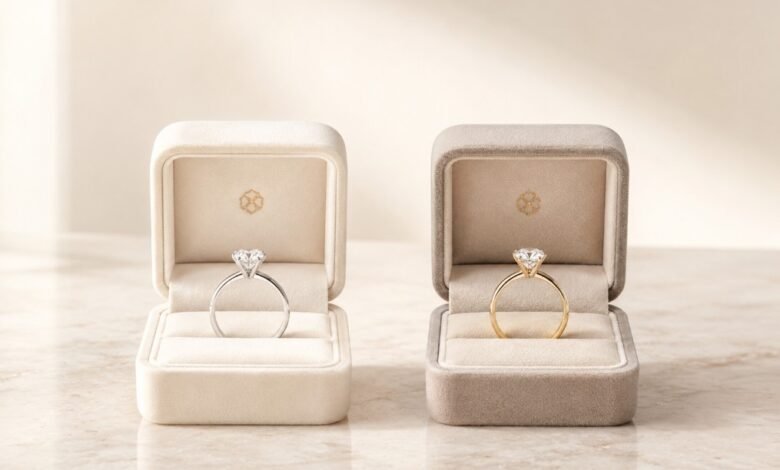
Choosing between a lab-grown and natural diamond engagement ring is not really a question of “real” versus “fake.” That is the first myth to retire. Both can be real diamonds. Both can sparkle beautifully. Both can be graded, set in fine jewelry, and worn for a lifetime.
The real decision is more interesting: do you want the size and value advantage of a lab-grown diamond, or the geological rarity and traditional long-term symbolism of a natural diamond?
That is where the conversation becomes personal. Some buyers want the biggest, brightest diamond their budget can reasonably allow. Some care deeply about natural origin. Some want resale expectations to be realistic. Some want a ring that feels emotionally rare, not just visually impressive. A good jeweler should not push one answer for everyone. The right diamond is the one whose story, value, and practical trade-offs match the person wearing it.
The Straight Answer Before You Fall in Love With Either One
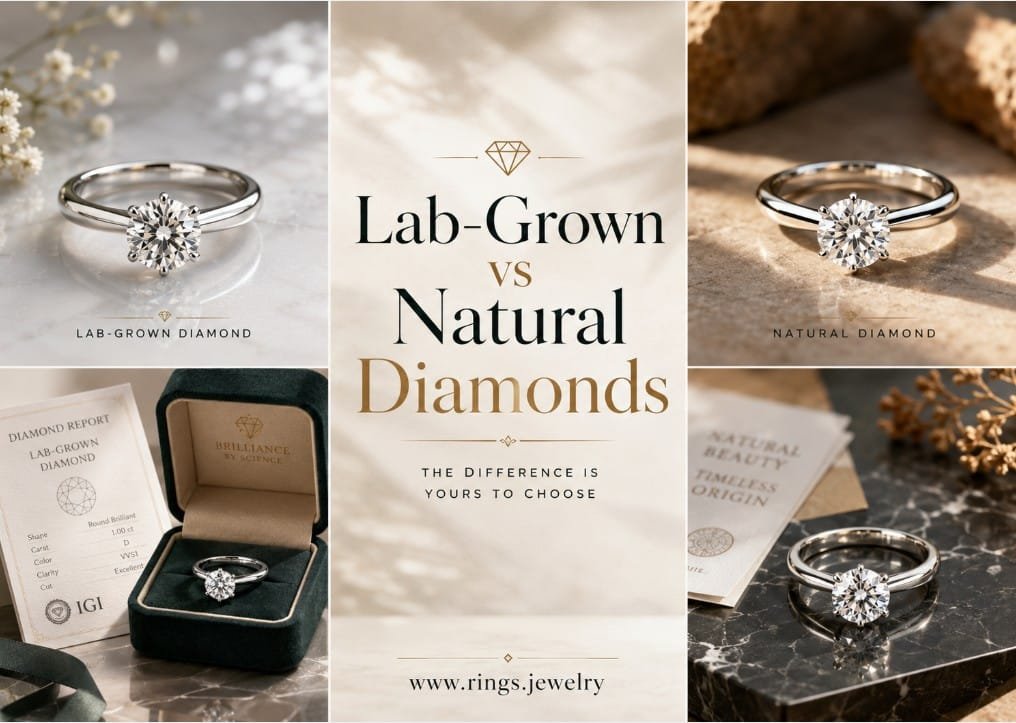
Lab-grown diamonds and natural diamonds can look identical to the eye when they have similar cut, color, clarity, and carat weight. The biggest difference is origin: lab-grown diamonds are created in controlled technology environments, while natural diamonds formed deep in the earth over immense geological time. Lab-grown diamonds usually offer a larger or higher-quality-looking stone for the same budget, but natural diamonds often carry stronger rarity, tradition, and resale recognition. For most engagement ring buyers, the right choice depends on budget, size preference, emotional meaning, and how much long-term value matters.
Two Diamonds, Two Origin Stories
A natural diamond is formed underground through natural geological processes. It is mined, sorted, cut, polished, graded, and eventually set into jewelry. Its appeal is not only visual. Many buyers are drawn to the idea that the stone came from the earth and cannot simply be produced on demand.
A lab-grown diamond is created using advanced technology that replicates the conditions needed for diamond growth. It has the same basic diamond identity in jewelry terms: carbon crystal structure, diamond hardness, and the ability to be cut and polished like a natural diamond. It is not cubic zirconia. It is not moissanite. It is not glass pretending to be a diamond.
The origin split
- Natural diamond: formed by nature, mined from the earth, valued partly for geological rarity.
- Lab-grown diamond: created by technology, visually and physically diamond, usually priced lower for comparable size and grades.
The difference is not whether one sparkles and the other does not. The difference is the story behind the stone, the market around it, and the type of value the buyer cares about.
This is where many online arguments become useless. A lab-grown diamond buyer is not automatically “cheap.” A natural diamond buyer is not automatically “old-fashioned.” People are buying different priorities.
Can Anyone See the Difference on Your Hand?
In normal life, no one at dinner is going to glance at your engagement ring and identify whether the diamond is lab-grown or natural by eye. If the stones have similar cut quality, color, clarity, and carat weight, the visual difference is usually not obvious without professional testing or documentation.
Cut matters more than origin for beauty. A poorly cut natural diamond can look dull. A beautifully cut lab-grown diamond can look lively. The reverse is also true. Origin does not rescue bad proportions.
What we inspect first
Before asking whether a diamond is lab-grown or natural, we look at cut, symmetry, polish, proportions, and how the stone performs in the setting. A diamond’s origin matters for value and meaning. Its cut quality matters for what your eye sees every day.
Color and clarity still matter. Carat weight still matters. Shape still matters. An oval lab-grown diamond can show a bow-tie effect just like a natural oval can. An emerald cut lab-grown diamond needs good clarity because step cuts reveal inclusions more easily. A round brilliant still needs strong cut quality to look alive.
So if the question is purely visual, the answer is surprisingly simple: choose the better-looking diamond, not the more emotional argument.
The Budget Reality: Lab-Grown Usually Gives You More Diamond
This is the part no one needs to whisper about. Lab-grown diamonds usually cost significantly less than natural diamonds with similar size and quality characteristics. That means buyers can often choose a larger carat weight, higher color, better clarity, or stronger cut within the same budget.
For many couples, that is the whole point. They want the look of a substantial diamond without stretching the budget into nonsense. A lab-grown diamond can make a dream size feel realistic.
More visual size for budget
Often the better choice if you want a larger diamond, cleaner clarity, or a more impressive face-up look without increasing the total ring budget.
Rarity and tradition
Often preferred when natural origin, geological rarity, and traditional diamond value are central to the purchase.
But bigger is not automatically better. A large diamond still needs a good setting, balanced proportions, and a band strong enough to support it. If the budget goes entirely into carat size while the ring itself becomes flimsy, the purchase is not as smart as it looks on paper.
If you are still comparing diamond size, setting, metal, and total budget together, our engagement ring buying guide is the broader place to map the full decision before choosing the center stone.
The Uncomfortable Part: Resale and Long-Term Value
Here is where honesty matters.
Lab-grown diamonds can be beautiful, real diamonds, and excellent value for the look. But buyers should be realistic about resale. Lab-grown diamond prices have changed quickly as technology and supply have expanded, and resale expectations should be conservative.
Natural diamonds also do not magically resell for what you paid at retail. That is another myth. Retail pricing includes cutting, grading, setting, brand, overhead, and margin. But natural diamonds generally have a longer-established resale and trade market because they are finite natural stones.
The value conversation nobody should dodge
Do not buy a lab-grown diamond because someone promises it will hold value like a rare natural diamond. Buy it because you love the look, the size, the price advantage, and the practicality. Do not buy a natural diamond expecting retail-price resale either. Buy it because natural origin and rarity matter to you.
For an engagement ring, value is not only resale. There is emotional value, daily beauty, budget comfort, symbolism, and the joy of wearing the ring. Still, if long-term market value is a serious priority, natural diamond deserves a closer look.
If the buyer’s priority is maximum diamond presence for the money, lab-grown often wins. If the buyer’s priority is rarity and traditional value recognition, natural often makes more sense.
Certification: Read the Paper Before You Read the Romance
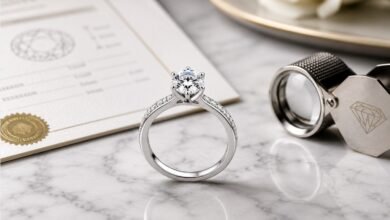
A diamond report matters for both lab-grown and natural diamonds. It helps document the stone’s characteristics: carat weight, color, clarity, cut information, measurements, and whether the diamond is lab-grown or natural.
The report is not there to make the diamond emotional. It is there to make the diamond understandable.
What to check on the report
- Origin: the report should clearly state whether the diamond is lab-grown or natural.
- Carat weight: compare size by measurements too, not only weight.
- Color grade: especially important if choosing white metals or step-cut shapes.
- Clarity grade: check whether inclusions are visible or hidden in the setting.
- Cut quality: vital for sparkle, especially in round brilliant diamonds.
- Measurements: useful for understanding face-up size and proportions.
For natural diamonds, certification helps protect the buyer from vague sales language. For lab-grown diamonds, certification helps confirm that you are comparing stones properly instead of just shopping by carat size and price.
A report does not replace your eyes. It supports them. The best buying experience uses both: documentation and visual judgment.
Ethics and Sourcing: Cleaner Question, Complicated Answer
Many buyers look at lab-grown diamonds because they want a more transparent or less mining-dependent option. That is a valid reason. Lab-grown diamonds avoid traditional diamond mining, and some buyers feel better choosing that route.
Natural diamonds, however, are not one single ethical category. Sourcing standards, traceability, mining practices, labor conditions, and community impact can vary. Some natural diamond supply chains are more transparent than others. Some buyers prefer natural diamonds from reputable suppliers with clear sourcing commitments.
Lab-grown diamonds also require energy and industrial production, so the ethical conversation should not be reduced to one perfect side and one guilty side. The better question is: what can the seller actually document?
Ask for specifics, not slogans
“Ethical” is not a magic word. Ask where the diamond comes from, what documentation is available, how the seller verifies sourcing, and what claims are actually supported. A responsible seller should welcome the question.
If ethics matter deeply to you, do not stop at the label. Ask about traceability. Ask about production. Ask about suppliers. The right answer should be clearer than a marketing sentence.
The Setting Can Make Either Diamond Look Smarter
Whether you choose lab-grown or natural, the setting decides how the diamond lives on the hand.
A larger lab-grown diamond may need more thoughtful support, especially if the buyer chooses a thin band or high setting. A natural diamond chosen for rarity should still be protected properly. A valuable stone in a weak setting is not romance. It is a future repair ticket.
Prongs, bezel, cathedral shoulders, basket depth, band width, and metal choice all matter. A lab-grown oval in a flimsy setting is not a smart ring just because the stone was a good price. A natural round brilliant in delicate prongs still needs inspection and maintenance.
Watch the support
More size means more visual impact, but the band, prongs, and basket need to carry the stone securely for daily wear.
Protect the investment
If natural origin and value matter, choose a setting that respects the stone with secure prongs, good proportions, and sensible maintenance.
If you are deciding how much exposure or protection your center stone should have, the guide to comparing prong and bezel settings is useful before finalizing the ring design.
Five Buyers, Five Different Correct Answers
This is not a one-winner debate. The better diamond depends on the buyer.
The size-focused couple
Lab-grown usually makes the most sense. If the dream is a larger diamond with strong visual presence and the couple wants to stay financially sane, lab-grown can be a very smart route.
The tradition-focused buyer
Natural diamond may feel more meaningful. If geological origin, rarity, and classic engagement symbolism matter deeply, a natural diamond will likely feel more emotionally satisfying.
The practical budget strategist
Lab-grown can free up money for a better setting, stronger metal, wedding band planning, or a higher-quality overall ring. That can be wiser than spending everything on the center stone.
The resale-sensitive buyer
Natural deserves serious consideration. Neither diamond type should be treated like a guaranteed investment, but natural diamonds have a longer-established resale market.
The “I just want it to look incredible” buyer
Start with cut, not origin. A well-cut diamond with excellent proportions will usually bring more daily joy than a technically “better” origin story attached to a dull stone.
Before You Choose, Ask These Questions Out Loud
Buying an engagement ring can get emotional fast. That is part of the beauty of it. But before emotion takes the wheel completely, ask a few practical questions.
The diamond origin checklist
- What matters more: larger visual size or natural rarity?
- Is resale important, or is this a forever-wear emotional purchase?
- Does the diamond have a grading report that clearly states origin and quality details?
- Are you comparing cut quality, not just carat weight and price?
- Will the setting support the stone properly for daily wear?
- Does the choice match the wearer’s values, not just the buyer’s budget?
- Would you still love the ring if no one else knew which diamond type it was?
That last question is useful. Engagement rings are public enough to be seen, but private enough to carry meaning only the wearer fully understands. Choose the diamond whose meaning still feels good when the room is quiet.
The Jeweler’s Read: Pick the Diamond You Can Explain Without Defending
A lab-grown diamond engagement ring is often the better choice for buyers who want size, beauty, and value. It can deliver an impressive diamond look for less money, and for many couples, that is not a compromise — it is the point.
A natural diamond engagement ring is often the better choice for buyers who care about rarity, traditional symbolism, and longer-established value recognition. The stone’s natural origin is part of the emotional and financial story.
The best choice is the one you do not feel secretly embarrassed to explain. If you choose lab-grown, choose it proudly for its beauty and value. If you choose natural, choose it because the origin matters to you. Both can become extraordinary engagement rings when the diamond is well chosen, honestly sold, properly certified, and set with real craftsmanship.
FAQ
Are lab-grown diamonds real diamonds?
Yes. Lab-grown diamonds are real diamonds created in a controlled technology environment rather than formed naturally underground.
Can people tell the difference between lab-grown and natural diamonds?
Usually not by eye in normal daily wear. A lab-grown diamond and a natural diamond with similar cut, color, clarity, and carat weight can look extremely similar. Professional testing and grading reports are used to confirm origin.
Is a lab-grown diamond engagement ring worth it?
It can be worth it if you want a larger or higher-quality-looking diamond for your budget. Lab-grown diamonds offer strong visual value, but buyers should be realistic about resale.
Do natural diamonds hold value better than lab-grown diamonds?
Natural diamonds generally have a longer-established resale market. However, most diamonds do not resell for the full retail price paid, so neither option should be treated as a guaranteed investment.
Which is better for an engagement ring, lab-grown or natural diamond?
Lab-grown is often better for size and budget. Natural is often better for buyers who value rarity, geological origin, and traditional symbolism. The better choice depends on what matters most to the wearer.
Are lab-grown diamonds cheaper than natural diamonds?
Yes, lab-grown diamonds usually cost less than natural diamonds with similar size and quality characteristics. This can let buyers choose a larger carat weight or higher grades within the same budget.
Do lab-grown diamonds sparkle the same?
They can. Sparkle depends mostly on cut quality, proportions, polish, symmetry, and cleanliness — not only whether the diamond is lab-grown or natural.
Should I choose a lab-grown diamond for a large engagement ring?
A lab-grown diamond can be a smart choice if you want a larger center stone without stretching your budget too far. Just make sure the setting, band, prongs, and metal are strong enough to support the stone securely.
Is a natural diamond more romantic?
For some people, yes. Natural diamonds carry the appeal of geological rarity and traditional engagement symbolism. For others, romance comes from the ring’s beauty, meaning, and the life it represents, not the origin of the stone.
What should I check before buying either diamond?
Check the grading report, cut quality, color, clarity, measurements, price, seller transparency, return policy, and setting quality. Do not choose by carat weight alone.