Hidden Halo Engagement Rings
Setting Detail Guide
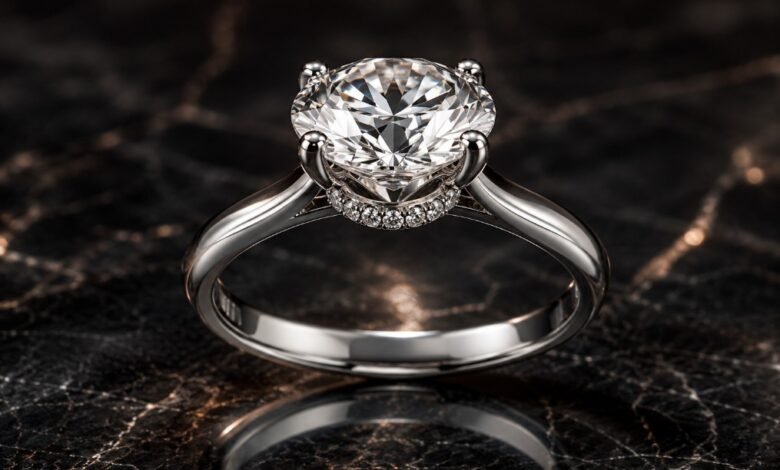
Hidden halo engagement rings are made for people who like a little secret. From the top, the ring may look like a clean solitaire: one center diamond, elegant prongs, a refined band. Then the hand turns slightly, light catches the side of the setting, and a small ring of diamonds appears underneath the center stone.
That is the appeal. A hidden halo does not announce itself the way a traditional halo does. It does not surround the diamond from the top or dramatically enlarge the face-up outline. Instead, it adds private sparkle beneath the center stone, often around the basket or gallery. It is detail for the wearer, for side-view photographs, and for anyone who notices jewelry carefully.
The best hidden halo engagement rings look intentional, delicate, and structurally sound. The worst ones look like extra pavé was added because the design needed to seem more expensive. This is a setting detail where restraint matters. A hidden halo should make the ring feel more finished, not more fragile.
What Is a Hidden Halo Engagement Ring?
A hidden halo engagement ring has a small circle or partial circle of accent diamonds set below the center stone, usually around the basket, gallery, or base of the diamond setting. The halo is “hidden” because it is not usually visible from the top view. You see it from the side, at an angle, or when the ring catches light during movement.
This separates it from a traditional halo, where small diamonds surround the center stone from the top and visually increase the face-up size of the ring. A hidden halo is quieter. It adds dimension and sparkle without changing the main outline of the center diamond.
In practical jewelry terms, the hidden halo is a gallery detail. It is part design, part engineering, part decoration. It can make the setting look more finished from the side, especially when the ring is high enough for the gallery to be visible. It can also add a delicate flash under the stone in engagement photos, hand gestures, and everyday wear.
Expert note: A hidden halo should support the setting visually, not compete with the center stone. If the side detail becomes the main event, the design may be overbuilt.
Hidden halos can be full, partial, scalloped, pavé-set, French pavé, U-cut, or integrated into a cathedral or basket design. Some are very discreet. Others are heavily diamond-set and visible from several angles. The right version depends on the center stone, setting height, metal, band style, and how much side sparkle the wearer actually wants.
The hidden halo is especially common with oval, round, cushion, radiant, emerald cut, pear, and elongated diamonds. It works best when the setting has enough height or side exposure for the detail to be seen. A very low-profile ring can still have a hidden halo, but if the detail is completely buried, it becomes an expensive secret with questionable usefulness.
Why Hidden Halo Engagement Rings Are Popular
Hidden halo engagement rings are popular because they offer sparkle without changing the ring’s face-up personality. Many people like the idea of extra diamonds, but they do not necessarily want the look of a traditional halo. The hidden halo gives them a middle path: classic from above, detailed from the side.
This fits the current engagement ring mood very well. Buyers want personalization, but not always loud personalization. They want a detail that feels thoughtful, private, and photogenic. A hidden halo delivers that. It is the jewelry equivalent of a silk lining inside a tailored coat: not the first thing everyone sees, but part of why the piece feels special.
Another reason is photography. Modern engagement rings live in motion: proposal videos, side-view hand shots, close-up reels, wedding detail photos, and everyday social moments. A ring that looks interesting from the side has an advantage. Hidden halos give photographers something to catch beyond the top view.
A good hidden halo is not a louder ring. It is a ring with better manners from the side.
Hidden halos also pair well with the popularity of elongated center stones. Ovals, radiants, cushions, and pears often sit high enough that the gallery is visible. Adding a small diamond halo below the stone gives the setting more depth and makes the profile feel more complete.
Lab-grown diamonds have also influenced the trend. Because buyers can often choose a larger center stone for the budget, they may have room to add setting details such as hidden halos, pavé bands, or custom galleries. But the detail still needs to be made well. More diamonds do not automatically mean more luxury. Sometimes they just mean more things to check at maintenance appointments.
Hidden Halo vs Traditional Halo
The difference between a hidden halo and a traditional halo is mostly about visibility and intention. A traditional halo surrounds the center stone from the top. It is designed to be seen immediately. It can make the center diamond appear larger and add a strong ring of sparkle around it.
A hidden halo sits below the center stone. It is usually visible only from the side or at an angle. It does not usually make the diamond look much larger from the top, because the accent stones are not surrounding the face-up outline. Its purpose is side sparkle, depth, and decorative refinement.
Side-view sparkle, discreet detail, classic top view, more subtle personality, often used under solitaire-style center stones.
Face-up sparkle, larger visual outline, more obvious diamond frame, stronger bridal drama, more visible from the top.
Do you want the extra diamonds to be the first thing people see, or a detail they discover when the ring moves?
Traditional halos can be beautiful, especially when proportioned well. They can also feel dated if the halo is bulky, poorly matched, or used only to make a small center stone appear larger. Hidden halos tend to feel more current because they keep the top view cleaner while adding craftsmanship underneath.
However, hidden halos are not always more timeless. If the setting is too high, too pavé-heavy, or overloaded with side details, it can still feel trend-specific. A clean solitaire with a subtle hidden halo usually ages better than a ring with a hidden halo, pavé band, hidden bridge diamonds, diamond basket, double claw prongs, and a gallery that looks like it attended too many bridal expos.
Best Diamond Shapes for Hidden Halo Rings
Hidden halos can work with many diamond shapes, but they are especially effective when the center stone has a clear outline and enough setting height for the halo to be visible.
Oval diamonds are one of the most popular choices. The oval’s elongated shape gives the hidden halo a graceful curve under the stone, and the side view can look very romantic. An oval hidden halo engagement ring often gives the buyer the classic oval top view with a little extra detail from the profile.
Round brilliant diamonds work well because the circular halo can follow the stone naturally. A round solitaire with a hidden halo can look classic from above and more intricate from the side. This is a good option for someone who wants a timeless center shape with a modern detail.
Cushion cuts are strong candidates because their soft square or rectangular outline pairs nicely with pavé gallery detail. A cushion hidden halo can feel romantic, especially in yellow gold or rose gold. The hidden halo should follow the cushion’s shape rather than forcing it into a generic round-looking frame.
Radiant cuts can look glamorous with hidden halos. Since radiants already have strong sparkle, the halo adds side brilliance and design depth. The risk is excess. A radiant center stone with a hidden halo and pavé band can be beautiful, but if every surface sparkles, the ring may lose shape.
Pear-shaped diamonds can be dramatic with hidden halos, but the point must be protected. The halo detail should not distract from the pear’s asymmetry. A delicate hidden halo around a pear can add charm; a bulky one can make the setting look confused.
Emerald cuts require more restraint. Because emerald cuts are quiet and architectural, a hidden halo can either add elegant side detail or feel like unnecessary glitter. It works best when the halo is very refined, the center diamond is strong, and the setting stays clean from the top.
Best romantic choices:
Oval, cushion, pear, and round hidden halos. These shapes accept the extra side sparkle naturally and keep the ring feeling bridal.
Best refined choices:
Emerald cut and radiant hidden halos when the setting is disciplined, low on clutter, and built with clean profile lines.
Oval Hidden Halo Engagement Rings
Oval hidden halo engagement rings deserve their own attention because this pairing is everywhere for a reason. The oval diamond is flattering, elongated, and romantic. The hidden halo adds sparkle without interrupting the oval’s top-view outline. Together, they create a ring that feels both familiar and detailed.
From above, an oval hidden halo can look like a classic oval solitaire. From the side, the small diamonds below the center stone reveal themselves. This is especially effective if the ring has a cathedral setting or raised basket that exposes the gallery.
The main buying issue is balance. Oval diamonds already draw attention because of their length. A hidden halo can make the setting feel more substantial, but it should not make the diamond sit absurdly high. A high-set oval can look dramatic in photos, but it may snag more in daily life.
Workshop detail: On an oval hidden halo, inspect the side view carefully. The halo should sit evenly beneath the oval, not tilt, wave, or appear heavier on one side.
Bow-tie effect still matters. A hidden halo does not fix a weak oval diamond. If the oval has a heavy dark bow tie across the center, extra diamonds under the setting will not make the center stone brighter. Choose the oval first for life, spread, symmetry, and pleasing proportions. Then choose the hidden halo as a supporting detail.
Yellow gold can make oval hidden halo rings feel warm and romantic. Platinum or white gold gives them a brighter, cooler look. Rose gold can be soft and feminine. The metal changes the mood dramatically, so choose it based on the wearer’s daily jewelry, not only trend photos.
Hidden Halo Setting Styles
There is no single hidden halo setting. The detail can be used in several ways, and each version changes how the ring wears and looks.
A classic hidden halo solitaire has a clean band with a halo tucked under the center stone. This is the safest and most timeless version. It keeps the ring simple while adding interest from the side.
A cathedral hidden halo uses raised shoulders that sweep toward the center setting. The cathedral structure can make the ring feel more elegant and secure, while giving the hidden halo a more visible profile. This style often pairs well with oval, round, cushion, and radiant diamonds.
A pavé band hidden halo adds diamonds along the shank as well as under the center stone. It is more sparkly and more obviously bridal. It can be beautiful, but it requires higher maintenance because there are more small stones to secure and inspect.
A three-stone hidden halo is more complex. The center stone may have a hidden halo while side stones frame it from the top. This can look luxurious, but proportion control is critical. Too many details can crowd the design.
A custom gallery hidden halo may include small diamonds, symbolic shapes, initials, floral motifs, or sculptural metalwork beneath the center stone. This can be meaningful, but the craftsmanship must be strong. Sentimental details should not weaken the structure.
Design principle: The more diamonds you add to the gallery, the more important the metalwork becomes. Tiny stones need real support, not decorative optimism.
The setting height is one of the most important decisions. A hidden halo needs some visibility, but a very high center stone can feel impractical. A lower setting may be more comfortable, but the halo may become less noticeable. The best design finds the middle ground: visible enough to matter, low enough to live with.
Pros and Drawbacks of Hidden Halos
The biggest advantage of a hidden halo is subtle sparkle. It gives the ring more detail without changing the center stone’s face-up shape. This is ideal for buyers who like solitaires but want something a little more special.
Another advantage is side-view beauty. Many engagement rings are judged from the top, but the wearer sees the ring from angles all day. A hidden halo makes the profile more interesting and can make the ring feel more finished.
Hidden halos can also add perceived luxury. The ring looks more detailed, especially in close-up photography. When made well, the detail suggests craftsmanship and thoughtfulness. It can make a simple ring feel custom without requiring a completely elaborate design.
Subtle sparkle, clean top view, beautiful side profile, more detail, strong fit for oval and round solitaires.
More small stones to maintain, possible cleaning challenges, higher setting height, and extra cost for a detail not always visible.
When the hidden halo improves the ring’s profile without making the setting too tall, fragile, or visually busy.
The main drawback is maintenance. A hidden halo uses small accent diamonds, often in a place that can collect dirt, lotion, soap, and daily residue. Those tiny stones need secure setting and occasional inspection. If the halo is poorly made, stones can loosen.
Cleaning can be slightly more involved because the gallery has more detail. A simple solitaire is easier to clean than a ring with pavé under the center stone. This does not make hidden halos impractical, but it does mean the wearer should be comfortable with normal jewelry care.
Another drawback is that hidden halos can increase setting height. Not always, but often. If the center stone has to sit higher to make room for the halo, the ring may snag more. The side profile must be checked carefully.
Best Metals for Hidden Halo Engagement Rings
The metal choice changes how visible the hidden halo feels. In white metals, the small diamonds blend into a bright, icy structure. In yellow gold, the contrast between warm metal and white diamonds makes the detail more noticeable. In rose gold, the hidden halo can feel soft and romantic.
Platinum is excellent for hidden halo rings because it offers strength, prestige, and a naturally white color. It works especially well for classic diamond-forward designs. Platinum is denser and usually more expensive than gold, but it gives the setting a serious, long-term feel.
White gold gives a similar bright look at a lower price, but it usually requires rhodium plating to maintain its white finish. This matters around pavé and detailed settings because replating and maintenance should be done carefully.
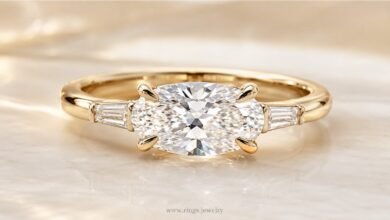
Yellow gold makes hidden halo rings warmer and more current. A yellow gold oval hidden halo engagement ring can feel romantic, rich, and very 2026 without being overly trendy. The small diamonds under the center stone create a beautiful contrast against the gold.
Rose gold is softer and more sentimental. It can be lovely with hidden halos, especially for cushion, oval, and pear shapes. But it should match the wearer’s jewelry wardrobe. Rose gold is a commitment to a color mood, not just a pretty photo filter.
Metal warning: Hidden halo rings have small stones in detailed areas. Choose a metal and setting construction strong enough for daily wear, not only for a delicate product photo.
Karat matters too. 14k gold is usually harder and practical for daily wear. 18k gold has a richer color but is softer. Both can work if the setting is properly built. For very delicate pavé-heavy hidden halo designs, construction quality is more important than romantic metal language.
How to Buy a Hidden Halo Engagement Ring
Buying a hidden halo engagement ring begins with the center stone. The hidden halo is decoration and profile detail. It should not distract from diamond quality, proportions, or setting security.
First, choose a center stone that performs well on its own. A hidden halo will not fix a dull oval, a glassy emerald cut, a poorly proportioned radiant, or a cloudy cushion. The main diamond must be beautiful before the side detail matters.
Second, inspect the side profile. This is where hidden halo rings either succeed or fail. The halo should sit evenly under the center stone. The basket should be clean. The prongs should be symmetrical. The ring should not look top-heavy.
Third, ask about wedding band fit. Some hidden halo settings sit high enough for a straight wedding band to fit flush. Others have a gallery or basket shape that creates a gap. A gap is not always bad, but it should be a choice, not an ambush.
Fourth, check the pavé quality. The small diamonds in the halo should be even, secure, and cleanly set. Uneven bead work, rough metal, or stones that look crowded are warning signs. Tiny diamonds are not decorative dust. Each one needs proper setting.
Common buying mistake: choosing a hidden halo because it looks expensive in close-up photos, then ignoring setting height, cleaning access, pavé security, and the actual quality of the center stone.
Fifth, think about maintenance. A hidden halo ring should be checked periodically, especially if the wearer is active or the ring has pavé on the band as well. Regular cleaning and prong checks are part of owning detailed jewelry.
If you are narrowing down shapes, settings, metals, and budget trade-offs, our engagement ring buying guide gives a broader decision framework before you settle on the final design.
Finally, decide whether the hidden halo adds something meaningful to the design. If the ring already looks perfect as a solitaire, a hidden halo may be unnecessary. If the side profile feels plain or unfinished, a hidden halo may be exactly the right detail.
Who Should Choose This Style?
A hidden halo engagement ring is ideal for someone who likes classic rings with a little private detail. It suits a wearer who wants the face-up elegance of a solitaire but enjoys extra sparkle from the side.
It is especially good for people who love close-up jewelry details: a pretty basket, fine prongs, tiny diamonds under the stone, and a ring that reveals more as you look at it. If the wearer appreciates craftsmanship and small surprises, hidden halo can be a strong choice.
Hidden halos also suit someone who wants a photogenic ring. The side sparkle can look beautiful in proposal photos, hand shots, and wedding detail images. It adds depth without requiring a traditional halo.
Who should avoid it? Someone who wants the lowest-maintenance ring possible may prefer a clean solitaire or bezel. Someone who dislikes extra pavé may find the hidden halo fussy. Someone who wants the center stone to look larger from the top may prefer a traditional halo instead.
The safest beautiful hidden halo rings are restrained: a strong center diamond, a well-made basket, a delicate line of accent stones, and a setting that still feels secure. The detail should feel discovered, not displayed.
Final expert judgment
Choose a hidden halo engagement ring if you want subtle side sparkle, a more finished profile, and a classic top view with a private detail underneath. It works beautifully with oval, round, cushion, radiant, and pear diamonds when the setting is well made. Be strict about pavé quality, cleaning access, setting height, and wedding band fit. A hidden halo should feel like a secret luxury detail — not like someone glued extra sparkle under the diamond and hoped no jeweler would notice.
FAQ
What is a hidden halo engagement ring?
A hidden halo engagement ring has small accent diamonds set beneath the center stone, usually around the basket or gallery. The halo is mostly visible from the side rather than from the top.
Are hidden halo engagement rings popular?
Yes. Hidden halo engagement rings are popular because they add subtle sparkle and side-view detail while keeping the top view cleaner than a traditional halo.
What is the difference between a hidden halo and a regular halo?
A regular halo surrounds the center stone from the top and is clearly visible face-up. A hidden halo sits underneath the center stone and is usually seen from the side.
Do hidden halos make diamonds look bigger?
Not much from the top. A hidden halo adds side sparkle and detail, but it usually does not increase the face-up outline the way a traditional halo does.
Are hidden halo rings hard to clean?
They can require slightly more cleaning than simple solitaires because dirt and lotion can collect around the small diamonds under the center stone.
Do hidden halo engagement rings lose stones easily?
A well-made hidden halo should be secure, but it does have small accent diamonds that need proper setting and occasional inspection. Poor pavé work increases the risk of loose stones.
What diamond shape is best for a hidden halo?
Oval, round, cushion, radiant, pear, and some emerald cut diamonds can all work well. Oval hidden halo engagement rings are especially popular.
Is an oval hidden halo engagement ring a good choice?
Yes. Oval hidden halo rings are popular because they keep the flattering oval top view while adding romantic sparkle from the side profile.
Can a hidden halo ring sit flush with a wedding band?
Some can, but it depends on the basket and setting height. Always check the side profile if a flush wedding band is important.
Is a hidden halo timeless or trendy?
A subtle hidden halo can age well, especially on a classic solitaire. Very tall, pavé-heavy, or overly detailed hidden halos may feel more trend-specific over time.
What metal is best for a hidden halo ring?
Platinum, white gold, yellow gold, and rose gold can all work. Platinum and white gold look bright and classic, while yellow gold gives a warmer, more current look.
Who should choose a hidden halo engagement ring?
Hidden halo rings suit someone who wants a classic engagement ring with a discreet luxury detail, extra side sparkle, and a more interesting profile.