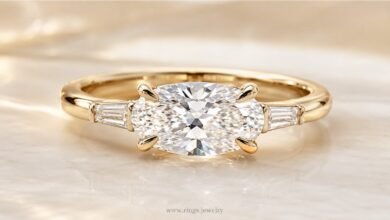
Prong vs Bezel Setting: Which Engagement Ring Is Better?
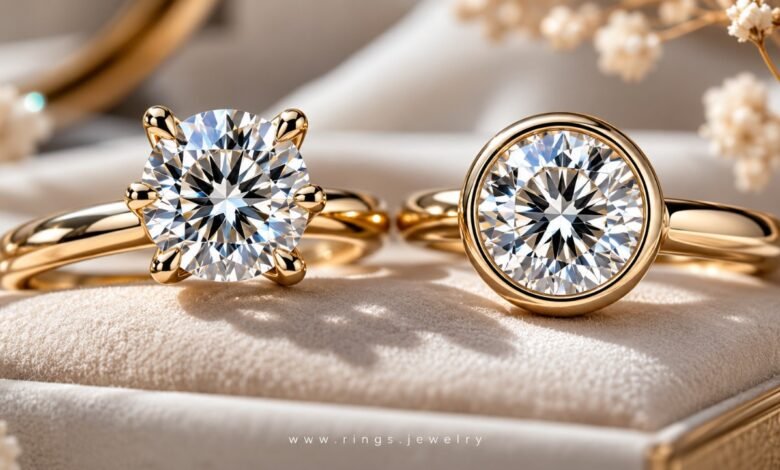
A prong setting and a bezel setting can both make a diamond engagement ring beautiful, but they solve very different problems. One opens the diamond to light and tradition. The other protects the stone’s edge and makes daily wear feel calmer, smoother, and more secure.
Quick Answer: Prong vs Bezel Setting
A prong setting is usually better if you want maximum diamond visibility, a classic engagement ring look, and a lighter, more open design. A bezel setting is usually better if you want stronger edge protection, a smoother profile, and a ring that feels safer for daily wear.
Prongs hold the diamond with small metal claws, so more of the stone is visible. Bezels surround the diamond with a thin metal rim, so the edge is better protected. The best choice depends less on which setting is “prettier” and more on lifestyle, stone shape, setting height, maintenance expectations, and how the ring will be worn in real life.
What a Prong Setting Really Does
A prong setting holds the diamond with small metal claws that grip the stone at several points. Most engagement rings use four or six prongs, though the right number depends on the diamond shape, ring design, and how much protection the stone needs.
The biggest advantage of prongs is visibility. Because the diamond is not surrounded by a full rim of metal, more of the stone can be seen from the top and sides. This gives prong settings their classic, airy engagement ring look. A solitaire diamond on prongs feels traditional for a reason: the setting steps back and lets the stone become the main event.
Why buyers choose prongs
Prongs are ideal when the buyer wants a bright, open, diamond-focused ring. They work especially well with solitaire, cathedral, halo, three-stone, and many vintage-inspired engagement ring designs.
Where prongs need respect
Prongs are small parts of metal doing very important work. If they bend, wear thin, loosen, or catch repeatedly on fabric, the stone may become less secure over time.
Workshop note
The question is not simply “Are prongs safe?” A well-made prong setting can be very safe. The better question is whether the prongs are strong enough, properly shaped, well finished, and suitable for the wearer’s lifestyle.
Prongs are often chosen by people who want the diamond to look as visible as possible. They are also popular when the goal is a more delicate design. But delicate should not mean weak. Extremely tiny prongs, very thin bands, and high settings can look beautiful in close-up photos while being less forgiving in daily life.
What a Bezel Setting Really Does
A bezel setting surrounds the diamond with a metal rim. Instead of gripping the stone only at small points, the bezel wraps around more of the edge. This gives the diamond extra protection and creates a smoother, more enclosed design.
Bezels are often described as modern, but they are not just a style trend. From a practical jewelry perspective, the bezel solves a real problem: exposed diamond edges and delicate prongs can be vulnerable to knocks, snagging, and long-term wear. A bezel reduces those risks by giving the stone a stronger border.
Why buyers choose bezels
Bezels are excellent for buyers who want a secure, low-snag ring. They are especially useful for daily wear, active lifestyles, travel, gloves, hands-on work, and anyone who dislikes rings catching on clothing.
Where bezels change the look
A bezel creates a visible frame around the diamond. Some buyers love that clean outline. Others feel it makes the stone look less open than a prong-set diamond.
Expert jeweler note
A good bezel should protect the diamond without swallowing it. The metal rim should look refined, not heavy. If the bezel is too thick for the diamond size, the ring can feel more like metal around a stone than a balanced piece of fine jewelry.
Bezel settings can look extremely expensive when the proportions are right. They work beautifully with round, oval, emerald-cut, pear, marquise, and cushion diamonds. The secret is not simply choosing “a bezel.” It is choosing a bezel with the right thickness, height, metal color, finishing, and relationship to the diamond shape.
Prong vs Bezel Setting: The Practical Comparison
This is where the decision becomes clearer. A prong setting usually wins for openness and classic diamond visibility. A bezel setting usually wins for protection, smoothness, and calm daily wear.
Prong Setting
Best for: buyers who want the diamond to look open, bright, classic, and visually exposed.
Watch for: snagging, high profiles, very thin prongs, and the need for occasional prong checks.
Bezel Setting
Best for: buyers who want stronger edge protection, a smooth outline, and a ring that feels secure in daily life.
Watch for: overly thick bezels, heavy proportions, and designs that hide more diamond than expected.
Prongs Need Checking
Prongs can be secure for many years, but they are small pieces of metal under daily stress. They should be inspected periodically, especially if the ring catches on fabric or the stone feels loose.
Bezels Feel Smoother
Bezels usually have fewer sharp points around the stone. This makes them practical for people who wear gloves, knitwear, long sleeves, or use their hands throughout the day.
Which Setting Is Better for Daily Wear?
For daily wear, a bezel setting usually has the practical advantage. The metal rim protects more of the diamond’s edge, and the smoother surface is less likely to catch on hair, sweaters, gloves, or pockets. This is why bezels are often recommended for people who want an engagement ring that feels easy to live with.
That said, a prong setting can also be excellent for daily wear when it is built well. A low-profile prong setting with sturdy prongs, a secure stone seat, and enough metal can be far more practical than a very delicate high-profile design. The problem is not prongs in general. The problem is fragile prongs used in the wrong lifestyle.
Daily wear decision guide
- Choose prongs if the wearer wants a traditional engagement ring, loves visible sparkle, and is comfortable having the ring inspected over time.
- Choose a bezel if the wearer is active, practical, low-maintenance, or often worries about knocking the ring against surfaces.
- Be careful with high settings if the wearer works with their hands, wears gloves, travels often, or does not like rings that catch.
- Look at construction, not only style. A strong prong setting can outperform a poorly made bezel, and a refined bezel can look more elegant than a weak delicate design.
If you are still comparing more setting styles beyond these two, the broader Engagement Ring Settings Explained guide is the better place to compare solitaire, halo, hidden halo, pavé, cathedral, bezel, and prong designs together.
Which Setting Gives More Sparkle?
A prong setting usually gives the impression of more sparkle because it leaves more of the diamond exposed. Less metal around the stone can make the ring feel brighter, lighter, and more open. This is one reason prong-set solitaires remain so popular.
But sparkle is not created by the setting alone. The diamond’s cut quality matters more. A well-cut diamond in a bezel can still look lively and bright. A poorly cut diamond in prongs will not become brilliant simply because more of it is visible.
The simple rule
If the diamond is beautifully cut, both settings can look excellent. If the diamond cut is weak, a prong setting may expose more of the stone, but it cannot fix poor light performance.
For buyers who want the brightest possible traditional look, prongs usually make more sense. For buyers who want a modern, clean, protected design and are willing to accept a more framed look, a bezel can be the better choice.
Which Setting Is More Secure?
A bezel setting is generally more protective because the metal rim surrounds more of the diamond. This gives the stone stronger edge protection and reduces the chance of catching compared with many prong settings.
Prongs can still be secure, but they rely on small metal points. If one prong is damaged, the stone may still be held by the others, but the risk increases. If several prongs wear down or bend, the diamond can become unsafe. That is why prong inspection matters.
Do not ignore these warning signs
- The ring catches on clothing more than usual.
- The diamond makes a faint clicking sound when touched.
- One prong looks lifted, flattened, or uneven.
- The stone appears slightly tilted.
- The ring has been worn daily for years without inspection.
For people who are hard on jewelry, a bezel is often the calmer option. For people who love the classic look of prongs, the answer is not to avoid prongs completely, but to choose better prongs and maintain them properly.
How Diamond Shape Changes the Decision
The right setting depends partly on diamond shape. Some shapes have vulnerable points. Others look larger when more of the outline is visible. A good setting should support the shape, not fight it.
Round diamonds
Round diamonds work beautifully in both prong and bezel settings. Prongs create a classic engagement ring look. Bezels create a cleaner, more modern circle of metal around the stone.
Oval diamonds
Ovals look elegant in prongs because the elongated shape stays open. A slim bezel can also be stunning because it emphasizes the oval outline like a fine jewelry frame.
Emerald-cut diamonds
Emerald cuts often look sophisticated in bezels because the setting reinforces their architectural lines. Prongs keep them lighter and more traditional.
Pear diamonds
Pear diamonds have a pointed tip that needs protection. Prongs can work well, but the tip must be properly guarded. A bezel can protect the point beautifully.
Marquise diamonds
Marquise diamonds also have vulnerable points. A bezel can protect both ends, while prongs can make the shape look longer and more dramatic.
Cushion diamonds
Cushions can look romantic in prongs and soft-modern in bezels. The right choice depends on whether the buyer wants an airy or framed appearance.
Expert jeweler note
Pointed diamonds need more thoughtful protection than round diamonds. Pear, marquise, and princess-cut stones can be beautiful, but their corners or tips should not be treated casually. The setting must respect the geometry of the stone.
Setting Height Matters More Than Many Buyers Think
When people compare prong and bezel settings, they often focus only on the top view. In real life, the side view matters just as much. A ring that sits very high can catch more easily, feel less stable, and become annoying during ordinary tasks.
Prong settings are often made higher to lift the diamond and make it look more prominent. That can be beautiful, especially in a cathedral or solitaire design. But a high setting is not always practical. A bezel setting is often lower and smoother, though bezels can also be designed with height if the style requires it.
Usually easier to live with
A lower setting tends to snag less and feel more stable. It can be a good choice for daily wear, work, travel, and active routines.
Often more dramatic
A higher setting can make the diamond look more prominent, but it may catch more easily. Beauty is lovely. Fighting with your sweater is less romantic.
Cleaning and Maintenance: Which One Is Easier?
Prong settings often allow easier access around the diamond, which can make cleaning straightforward. Dirt, lotion, soap, and oils can collect under the stone, but there is usually space to clean around the setting if the ring is designed well.
Bezel settings are smoother on the outside, but dirt can collect near the metal rim. A bezel does not mean “no maintenance.” It means fewer exposed points and usually less snagging. The ring still needs regular cleaning and occasional professional checking.
Care checklist for either setting
- Clean the ring gently with warm water, mild dish soap, and a soft brush when appropriate for the stone and metal.
- Avoid harsh chemicals, chlorine, and abrasive cleaners.
- Have prongs inspected if the ring is worn daily.
- Check for trapped dirt around bezel rims.
- Remove the ring during rough work, heavy lifting, or activities that may hit the stone.
For a buyer who wants the least worry, bezel usually wins. For a buyer who wants maximum openness and does not mind occasional inspection, prongs remain a strong choice.
Which Setting Fits Your Lifestyle?
The best engagement ring is not chosen in a display case. It is chosen by imagining the ring on a real hand, in a real week, with real habits. A person who works at a desk may have different needs from someone who works with tools, children, animals, fitness equipment, gloves, or constant travel bags.
Choose prongs if you want
- a classic engagement ring look;
- maximum diamond exposure;
- a lighter and more delicate visual style;
- a design that works with many traditional ring settings;
- a diamond-forward appearance from multiple angles.
Choose a bezel if you want
- stronger edge protection;
- a smoother ring that catches less;
- a modern or architectural look;
- a practical setting for daily wear;
- less anxiety about exposed diamond edges.
The most expensive-looking ring is not always the most fragile one. In fine jewelry, good proportions, secure construction, and intelligent restraint often look richer than unnecessary drama.
Which Setting Looks More Expensive?
Neither prong nor bezel automatically looks more expensive. Poorly made prongs can look cheap. A heavy bezel can look clumsy. A refined prong setting with excellent finishing can look luxurious, and a slim bezel with beautiful proportions can look incredibly sophisticated.
Prongs tend to feel more traditional and bridal. Bezels tend to feel more modern, minimal, and design-conscious. If the ring is meant to feel classic, prongs often make more sense. If the ring is meant to feel sleek, contemporary, and quietly expensive, a bezel can be a beautiful choice.
Expert jeweler note
Metal color changes the entire mood. A yellow gold bezel can make a diamond feel warmer and more vintage-modern. Platinum or white gold prongs can make the diamond feel crisp and classic. Rose gold softens both settings, but it should be chosen because it suits the wearer, not because it is trendy.
If you are comparing setting choices as part of a broader modern ring search, the Best Engagement Rings 2026 guide can help you see how bezel settings, elongated diamonds, yellow gold, hidden halos, and low-profile designs fit into current engagement ring style.
The Buying Mistakes Jewelers See Again and Again
Most setting mistakes happen when a buyer chooses the ring from a photo instead of thinking about construction. A ring can be photogenic and still be wrong for daily life.
Mistake 1: Choosing tiny prongs for delicacy
Very fine prongs can look elegant, but they must still be strong enough to hold the diamond over time. Delicate design should not mean nervous construction.
Mistake 2: Assuming every bezel is secure
A bezel is protective by design, but it still needs good craftsmanship. A poorly finished bezel can look heavy, uneven, or visually dull.
Mistake 3: Ignoring the side profile
A high setting can make the diamond look impressive, but it can also catch on daily life. Always look at the ring from the side, not just from above.
Mistake 4: Forgetting maintenance
Prongs need checking. Bezels need cleaning. No fine jewelry setting is completely maintenance-free if the ring is worn every day.
One more quiet mistake
Do not choose the setting only for the diamond. Choose it for the person wearing the diamond. The same stone can need a very different setting on someone who is careful with jewelry versus someone who lives fast, works with their hands, and never removes a ring until bedtime.
Prong vs Bezel Buying Checklist
Before choosing either setting, ask these questions. They will tell you more than a product photo ever will.
- How often will the ring be worn? Daily wear usually favors stronger, smoother, lower-snag designs.
- Does the wearer work with their hands? If yes, bezel or low-profile secure prongs may be safer than a tall delicate setting.
- Is the priority sparkle or protection? Prongs usually feel more open. Bezels usually feel more protected.
- What diamond shape is being used? Pointed shapes may need extra protection at the tips.
- How high does the stone sit? A beautiful ring can become irritating if it catches constantly.
- Is the metal rim or prong work proportional? Too thin can be risky. Too heavy can look clumsy.
- Can the ring be cleaned easily? Dirt around the stone can reduce brilliance over time.
- Will the design be easy to service? Future maintenance matters, especially for everyday engagement rings.
So, Should You Choose Prong or Bezel?
Choose a prong setting if your ideal ring is classic, open, bright, and centered on showing as much of the diamond as possible. This is the setting for someone who loves traditional engagement ring beauty and does not mind occasional maintenance.
Choose a bezel setting if your ideal ring is secure, smooth, modern, and practical. This is the setting for someone who wants the diamond protected, the ring comfortable, and the design less likely to catch during daily life.
The best answer may also be somewhere in between. Some rings use partial bezels, protective prongs, low-profile heads, or mixed design details that balance openness with security. A good jeweler will not push one setting as universally best. They will look at the stone, the wearer, the lifestyle, and the construction.
The Jeweler’s Verdict
A prong setting is the better choice for maximum diamond visibility and classic engagement ring style. A bezel setting is the better choice for edge protection, smooth daily wear, and a more secure feeling on the hand.
If the ring will be worn every day, the practical details matter: prong strength, bezel thickness, setting height, diamond shape, band durability, cleaning access, and long-term service. The right engagement ring should not only look beautiful when it is new. It should still make sense years later, when it has lived through ordinary mornings, travel days, celebrations, and all the small movements of real life.

FAQ
Is a prong or bezel setting better for an engagement ring?
A prong setting is better if you want a classic engagement ring with more visible diamond surface and an open look. A bezel setting is better if you want stronger edge protection, a smoother profile, and a practical ring for daily wear.
Is a bezel setting more secure than a prong setting?
Usually, yes. A bezel surrounds the diamond with a metal rim, which protects more of the stone’s edge. Prongs can also be secure when well made, but they need periodic checking because they are small metal points holding the diamond.
Does a bezel setting make a diamond look smaller?
A bezel can make a diamond look slightly more framed because the metal rim covers part of the outer edge. A slim, well-proportioned bezel usually looks elegant, while a heavy bezel can make the stone look less open.
Do prong settings sparkle more than bezel settings?
Prong settings often make a diamond look more open because less metal surrounds the stone. However, the diamond’s cut quality has a bigger effect on sparkle than the setting alone.
Are prong settings good for everyday wear?
Yes, a well-made prong setting can be worn every day. The prongs should be strong, properly finished, and checked occasionally to make sure the diamond remains secure.
Is a bezel setting good for an active lifestyle?
A bezel setting is often a strong choice for an active lifestyle because it has a smoother surface and protects the diamond’s edge better than many prong designs.
Which setting is easier to clean, prong or bezel?
Prong settings often allow easier access around the diamond, while bezel settings can collect dirt near the rim. Both should be cleaned regularly and checked by a jeweler when worn daily.
Which diamond shapes work best in bezel settings?
Round, oval, emerald-cut, pear, marquise, and cushion diamonds can all work well in bezel settings. Bezels are especially useful for shapes with vulnerable points, such as pear and marquise diamonds.
Which setting looks more expensive, prong or bezel?
Neither setting automatically looks more expensive. A refined prong setting can look classic and luxurious, while a slim, well-made bezel can look modern and very high-end. Proportion and craftsmanship matter most.
Should I avoid prongs if I am worried about losing the diamond?
You do not need to avoid prongs completely, but you should choose a well-built setting and have the prongs inspected over time. If you want maximum edge protection and less snagging, a bezel may feel more reassuring.